
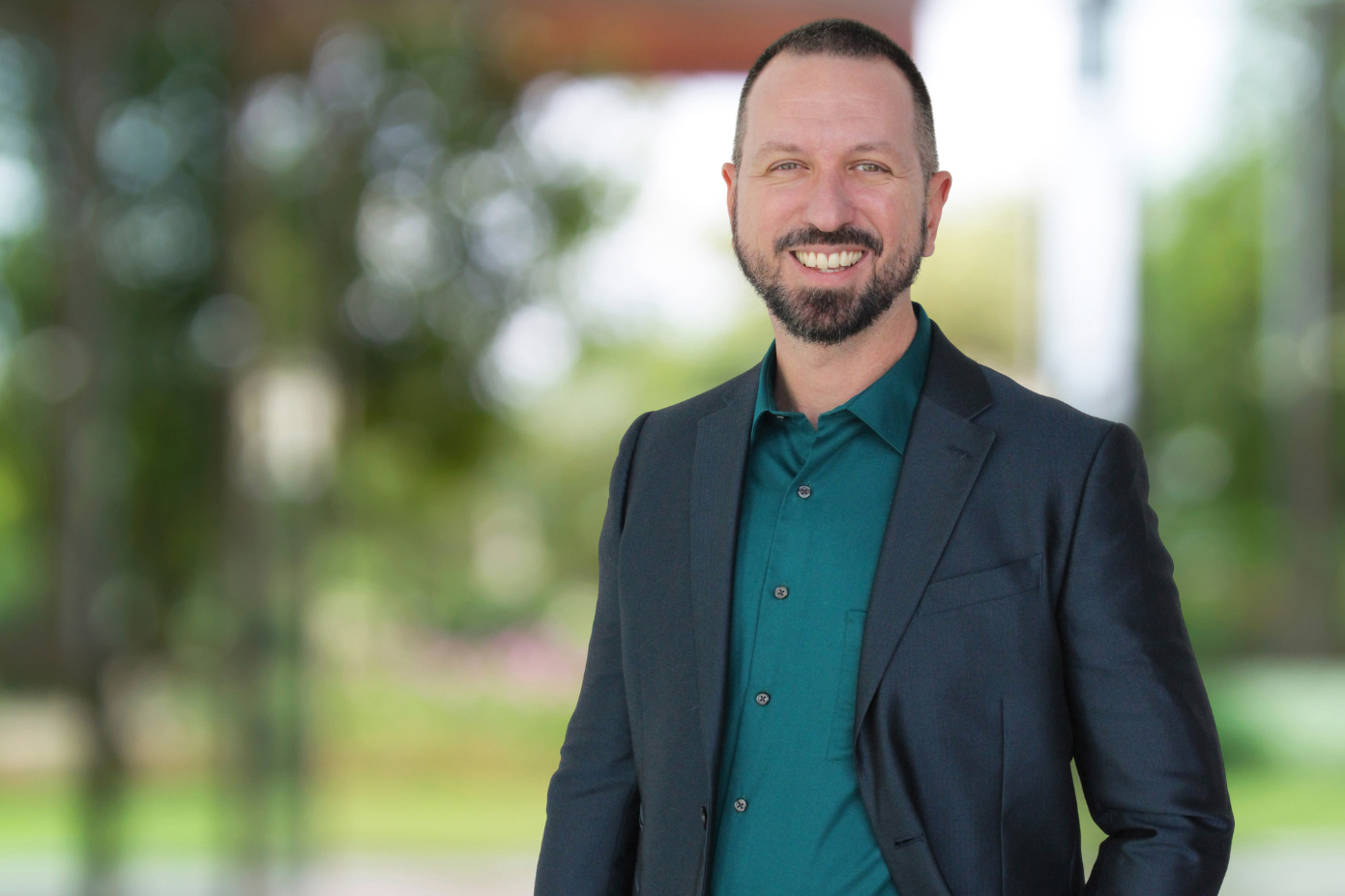
Eckerd college Career Center Director Dwayne Peterson joined the institution in the late fall. Photo courtesy of Dwayne Peterson
The College has appointed Dwayne Peterson as its new director of the Career Center, bringing more than a decade of experience in workforce development to the role.
By developing productive collaborations with faculty, Peterson envisions an integration of what he calls “career-connected learning” directly into the academic experience. Rather than positioning the Career Center as an optional service students seek out on their own, he envisions a model in which career development is embedded into coursework as a learning outcome across disciplines.
That includes helping students identify both transferable and technical skills gained through their classes as well as through their other experiences. Scaling work-based learning for all students, which includes internships, practicums, fellowships, reflective service, and on-campus jobs, will play a significant role in the effort.
Peterson said his vision is to ensure that every student who graduates is prepared with knowledge in their field and the skills and confidence to pursue meaningful work.
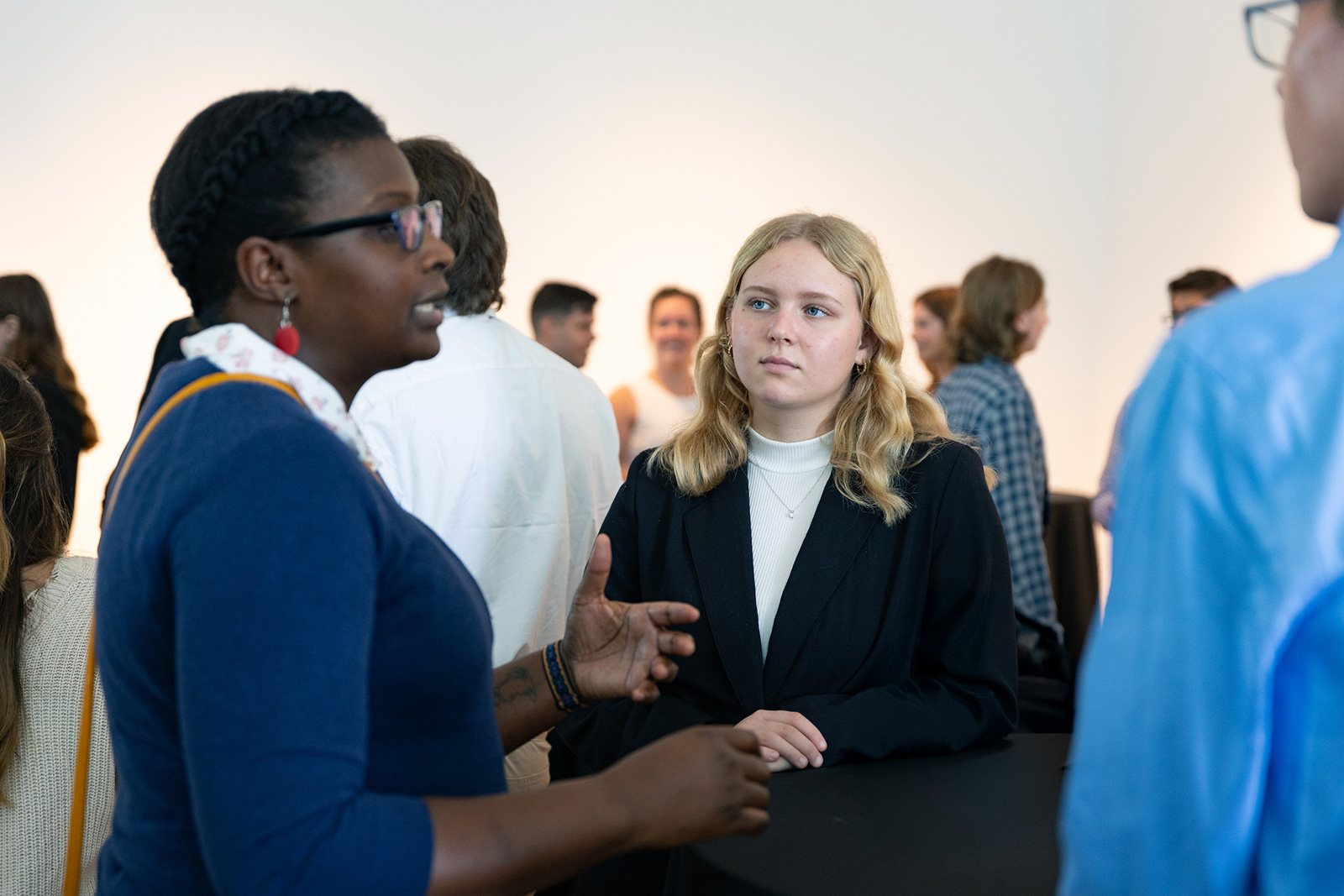
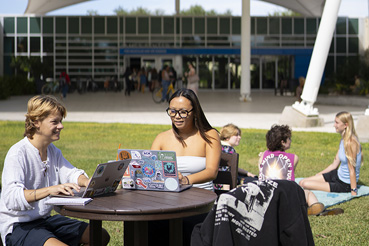
Networking Nights are a regular program of the Career Center that have been revamped to bring the students into contact with more employers.
“The College has a strong commitment to ensure all students are well prepared for their futures,” Peterson says. “This isn’t job training, this is brain training.”
Peterson said the goal is to make more connections between classroom learning and professional aspirations. Students completing general education courses such as Human Experience would be able to clearly articulate how the skills developed in those courses would apply beyond college.
“Our ultimate goal at the College is to integrate career-connected learning into academics in a way that strengthens liberal arts learning,” Peterson says. “It also can contribute to the College’s ability to attract, retain and graduate students, while successfully transitioning our students into meaningful pathways after graduation.”
Peterson’s approach is shaped by his own undergraduate experience. A first-generation student who majored in music, he said he initially believed his major would directly determine his career path. It took him several years after graduation to realize that the skills he developed extended far beyond music.
“I only thought that my studies would connect to a music career,” Peterson said. “It took me years after graduation to realize I could pursue interests different from what I did in college.”
This led him to focus his career on helping students understand the value of their education, especially those studying at liberal arts institutions. Over the past 10 years, he has worked to reposition liberal arts education as a serious contributor to workforce development without changing its core purpose.
“Degrees at Eckerd are never going to become obsolete, especially in today’s uncertain world,” Peterson said. “You want to choose something that evolves as the world evolves.”
Peterson said he was drawn to Eckerd in part because of its commitment to innovation and its national reputation as a college that changes students’ lives.
He pointed to the college’s Eckerd College Search and Rescue program graduates as examples of students who are well prepared for their futures. Helping even one student achieve that kind of success, he said, would fulfill a personal dream.
Peterson will work closely with faculty and campus leaders to bring his vision to life. His efforts will benefit from close collaboration between the Division of Student Success, led by Vice President Marjorie Sanfilippo, Ph.D., and Academic Affairs under Dean of Faculty Christine Wooley, Ph.D. Together, Sanfilippo and Wooley are supporting a college-wide approach to career readiness.
In Peterson’s view, career readiness extends beyond resume writing or interview practice. It means giving students the confidence, mindset, skills, experiences, and connections needed to transition into purposeful opportunities aligned with their interests and curiosity.
Ultimately, Peterson envisions an ecosystem in which every year of a student’s time at Eckerd builds toward being ready for a successful career. By graduation, students will not only understand their strengths but also know how to communicate them effectively to employers and others.
Students are already eager to learn, he says, and the campus community is warm and welcoming. “My dream is to help students figure it out and support them as they move into meaningful pathways after college. It takes our entire community working together to make that dream come true.”