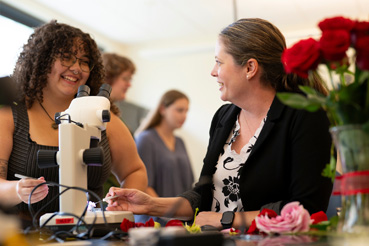

Eckerd College received a $75,000 grant from the Florida Department of Agriculture and Consumer Services after the loss of trees during hurricanes Helene and Milton in 2024. Assistant Professor of Environmental Studies Tyler Cribbs ’16, Ph.D., and Professor of Environmental Science and Biology Beth Forys, Ph.D., are spearheading the project.
Made possible through a grant from the USDA Forest Service in cooperation with the Florida Forest Service, the funding will bring native species to campus after losing around 80 trees. The grant will introduce around 156 trees to campus, nearly doubling what was lost.
“Not only was this grant to recover from storm damage, but to promote and grow canopy,” says Cribbs.
This tree project is one of several recent initiatives to promote native plants, biodiversity, and natural areas on campus. Projects like the living shoreline and rewilding, with adjacent goals, add green space to Eckerd and support a more resilient future.
Increasing tree canopy coverage is important for air purification, stormwater management and carbon sequestration, Forys says. Trees are important for biodiversity too, Forys says, pointing out the birds chirping overhead.
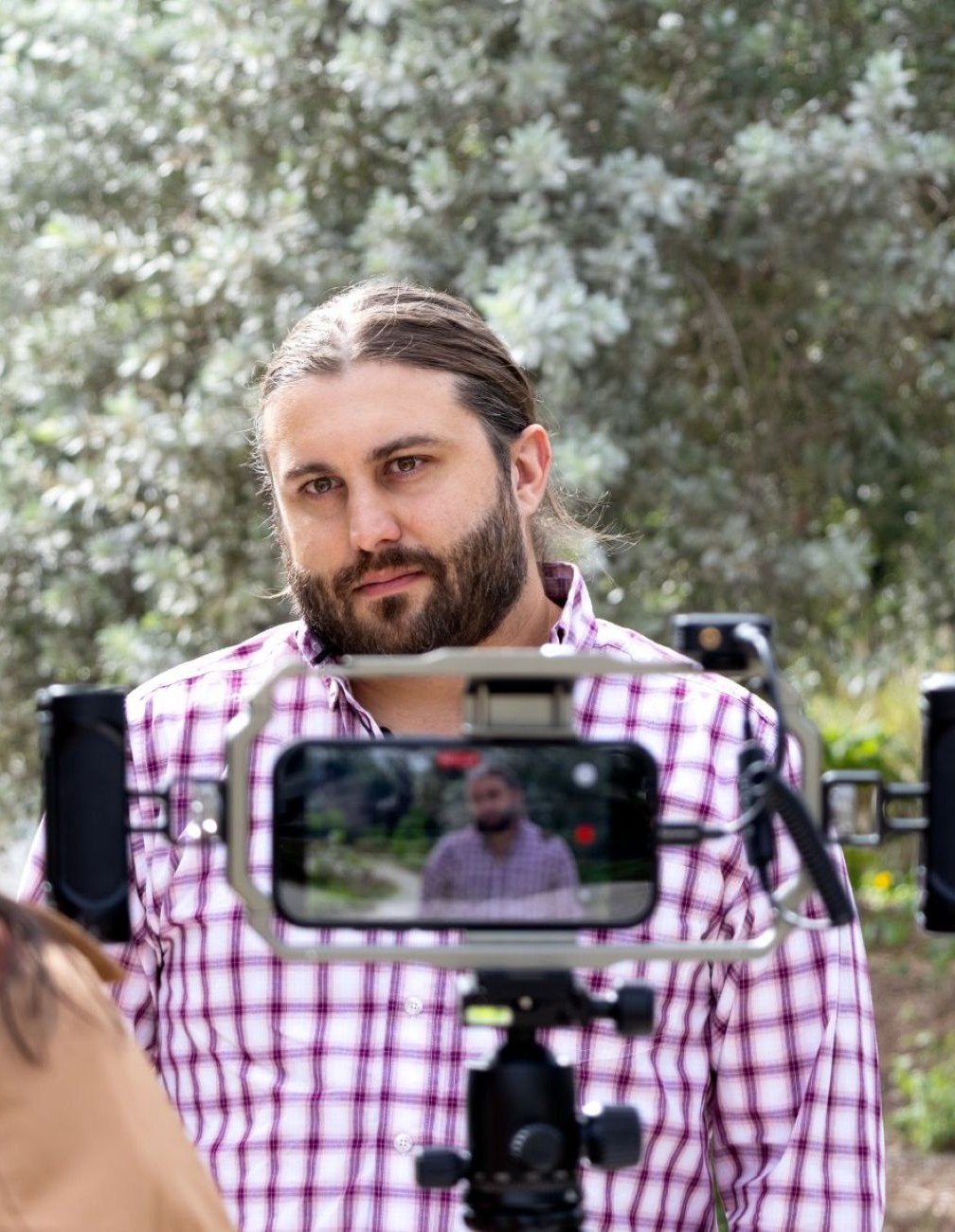
All of the trees will be native species. Different species will succeed in different areas of campus, depending on wind, salt and sun tolerance. Cabbage palm, bald cypress and Southern magnolia are just a few of the approved trees to be planted.
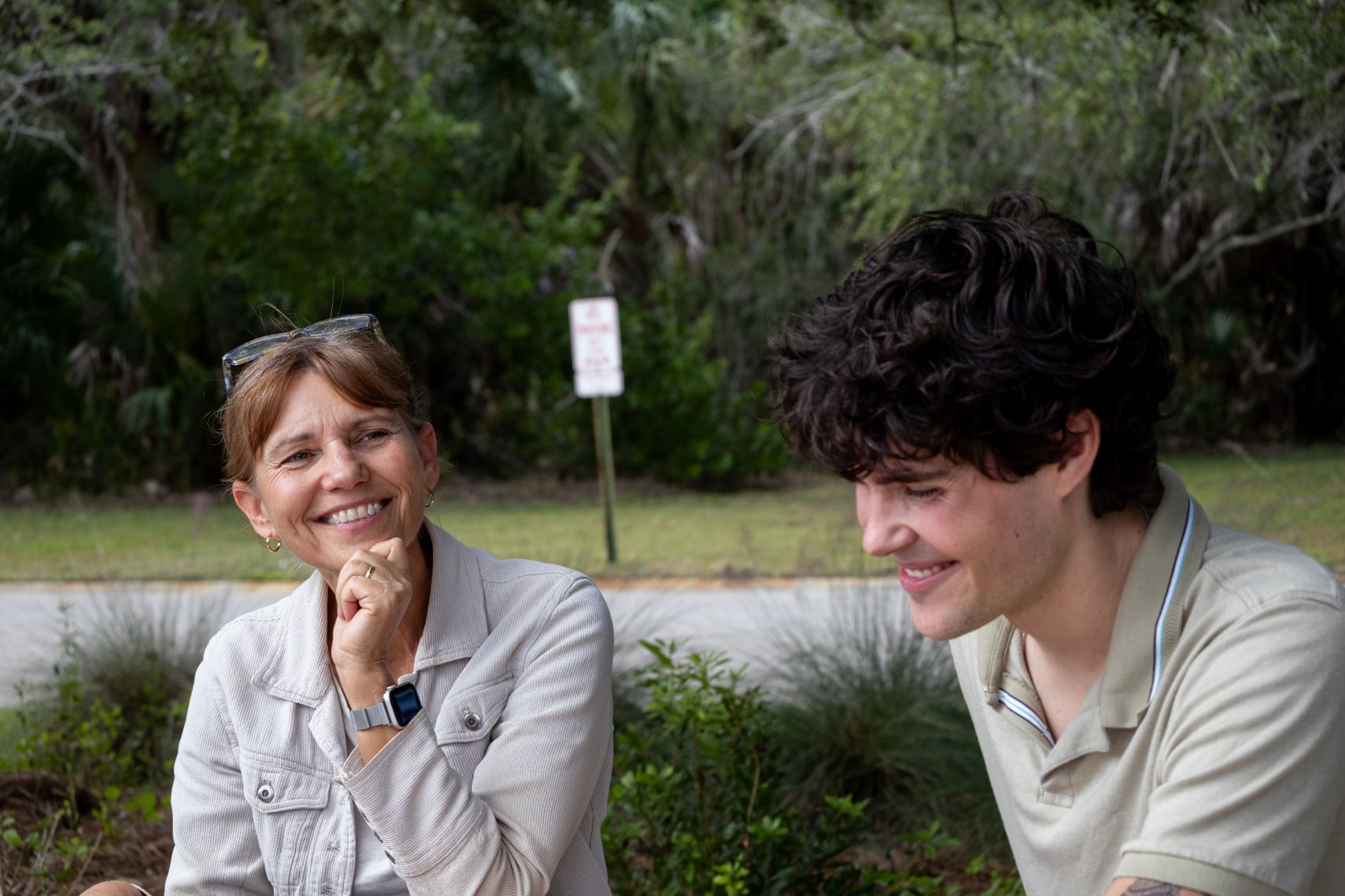
The grant will allow for a net increase of trees on campus after the significant loss of trees during the 2024 hurricanes.
“Living in Florida, there’s really not a downside to trees,” Forys says, adding that they’re great for cooling campus.
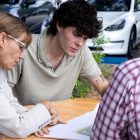
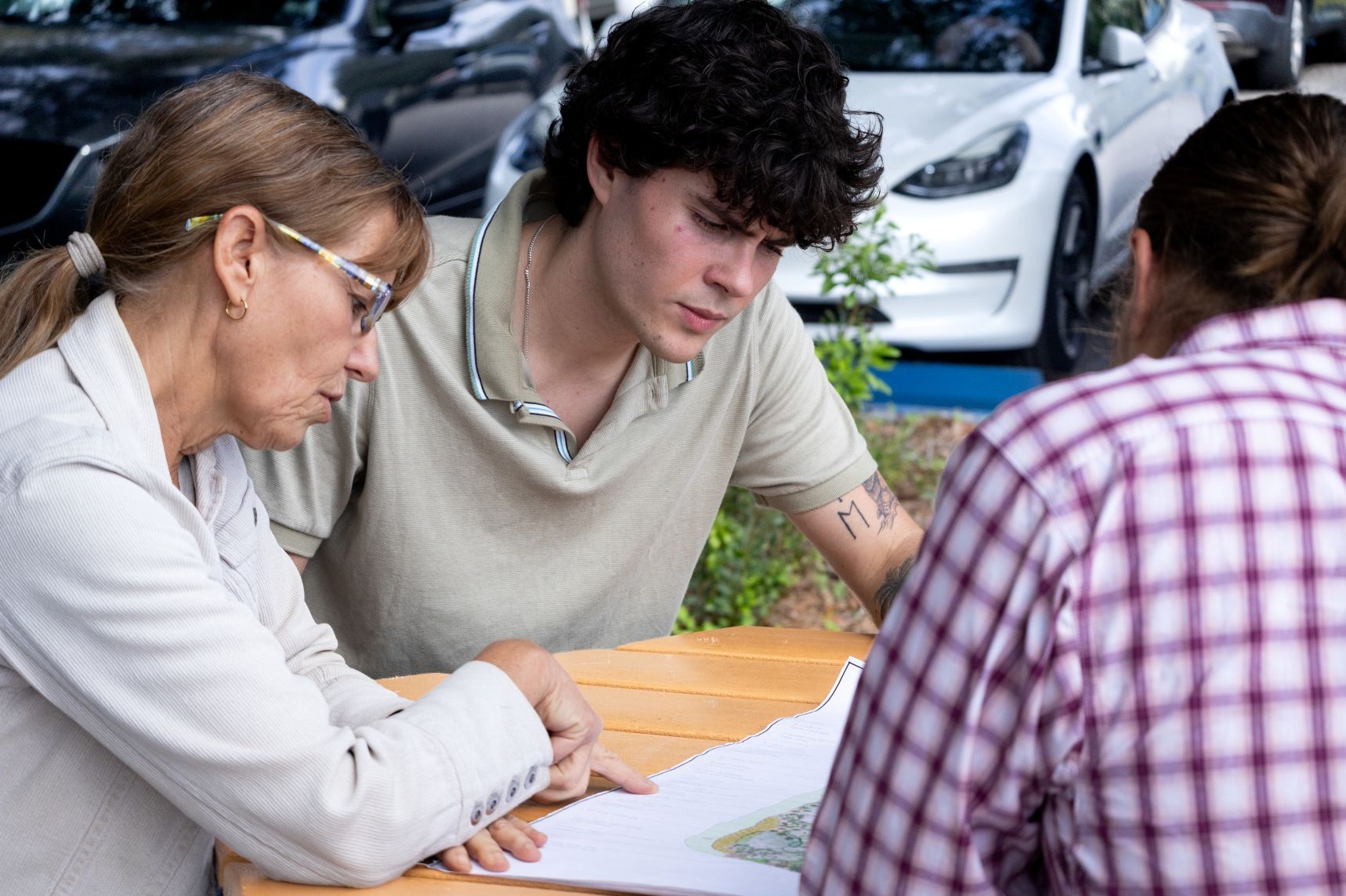
Faculty aren’t the only ones responsible for this initiative. Students and recent alumni have a role to play. Tate Mullineaux, a senior environmental studies major from Fairfield, Connecticut, used GIS to digitize tree canopy before and after the hurricanes. The 13% loss in canopy from April 2024 to April 2026 meant less shade, as well as additional environmental impacts, showing the importance of this grant.\
“I loved it,” Tate says. “I felt extremely lucky to have the relationships that I do with those professors.”
It’s important to document this type of data to track progress over time, Tate says. That way, we’re making a concerted effort in a specific direction.
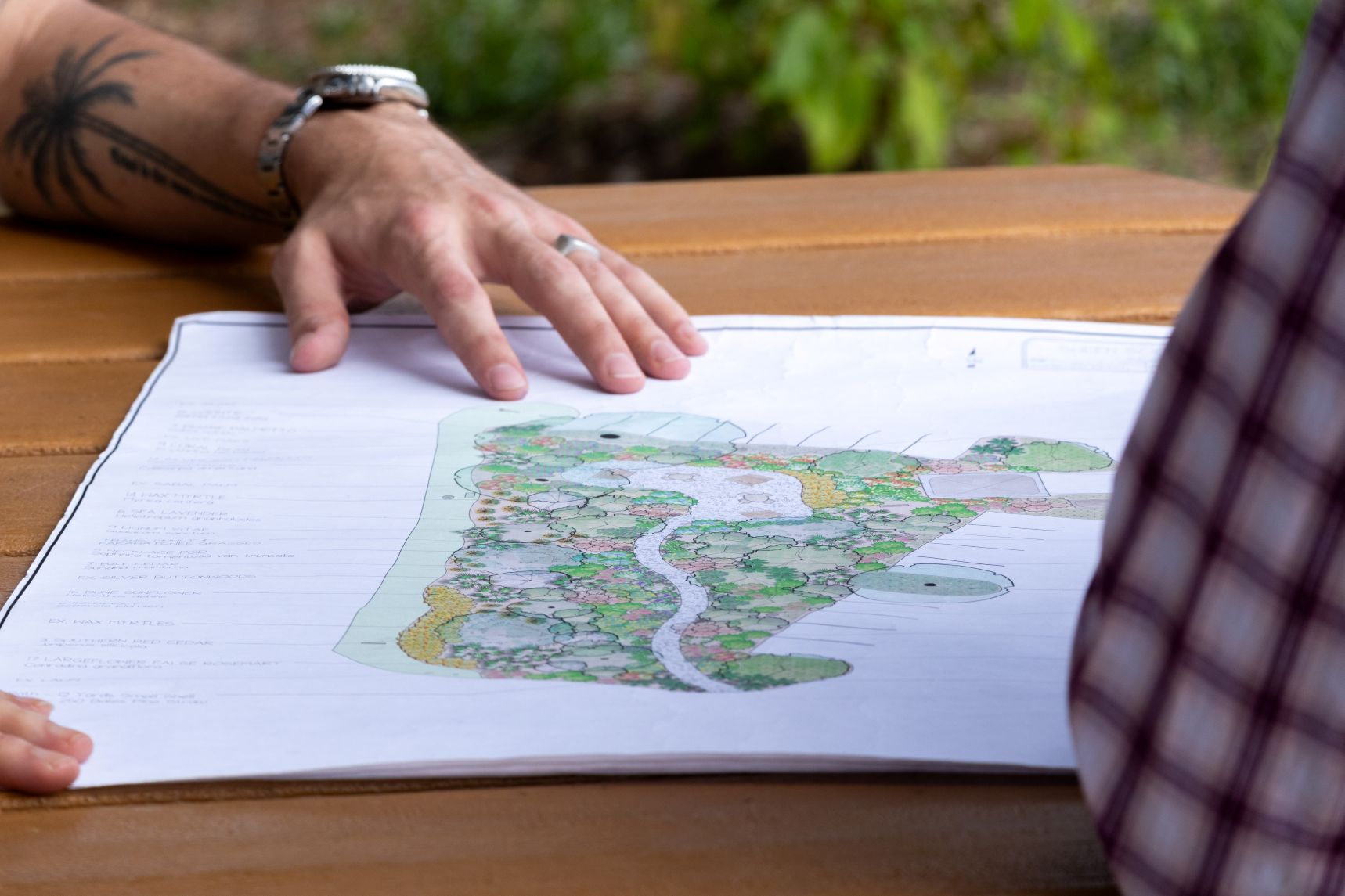
Eckerd’s commitment to maintaining a healthy tree canopy includes maintaining maps of existing trees, allowing for detailed planning for future planting.
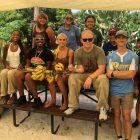
Alex Hernandez ’26, campus rewilding paraprofessional and part of the Eckerd College Conservation Corps, supports environmental-related initiatives. Hernandez is involved in grant work and hands-on projects outside across campus. They also work closely with student interns and volunteers, including Tate.
“I’m really happy to have this job, because I get to continue working in conservation in the place that I called home for the past few years,” Hernandez says.
Student volunteers will soon support faculty and the ECCC in tree planting. After the planting, they will monitor tree health. This collaboration is rooted in environmental responsibility, Forys says.
“We’re doing our part,” she says.
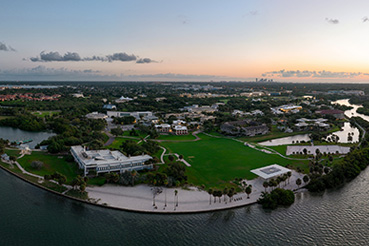
Cribbs furthers, “Even just looking at Google Maps, you see that little green gem along the coast of all concrete.”