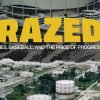
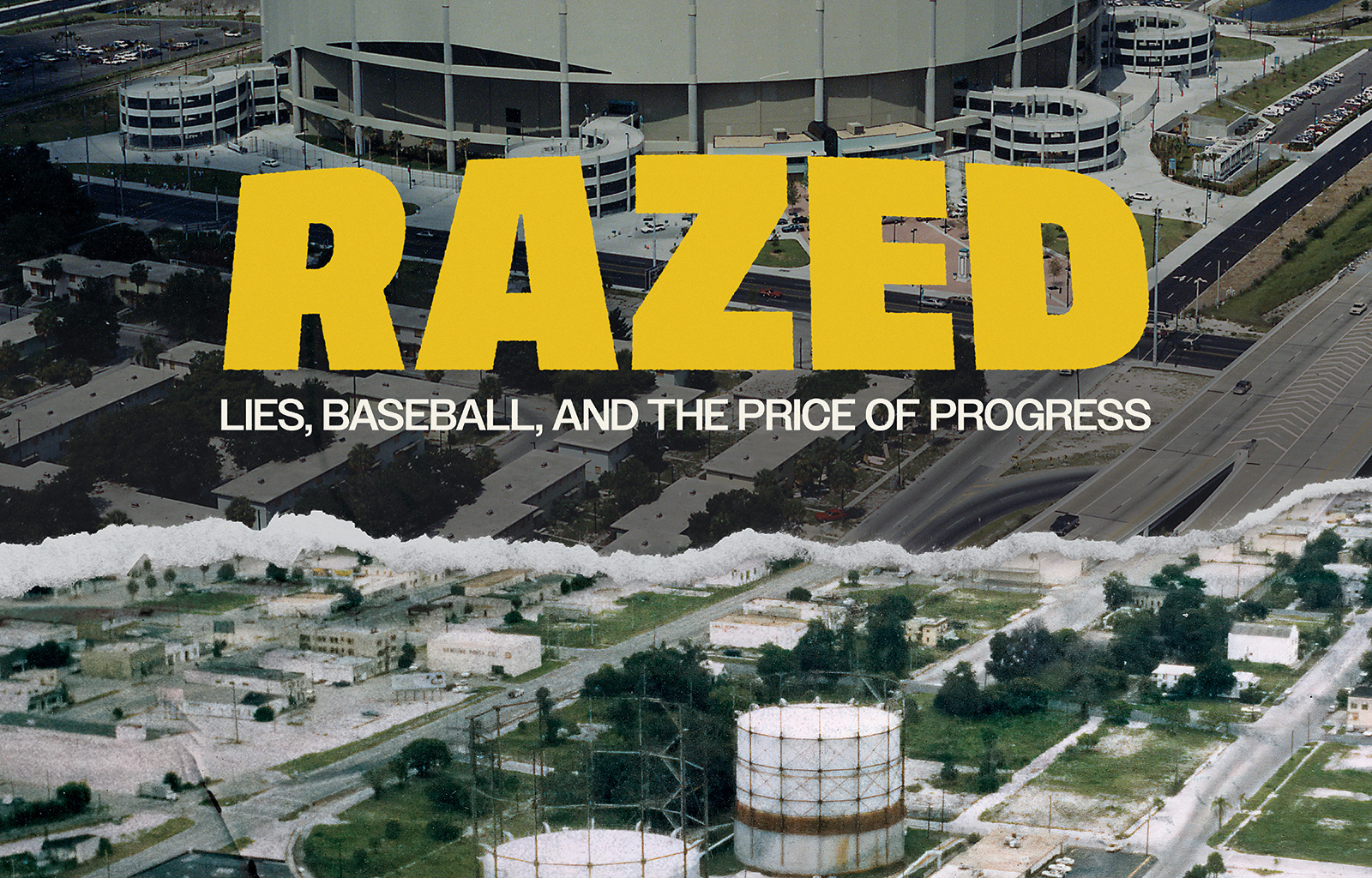
“Razed,” a documentary about the leveling of St. Petersburg’s historic Gas Plant neighborhood to make way for Tropicana Field, was made by local filmmakers. Photos courtesy of Roundhouse Creative
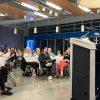
Eckerd College hosted screenings on Feb. 11 and 12 of the documentary film “Razed,” that explores the history of St. Petersburg’s historic Gas Plant neighborhood, which was demolished in the 1980s to construct Tropicana Field.
The showing was followed by a discussion with the filmmaker, Andrew Lee of St. Petersburg-based Roundhouse Creative, as well as with community members who had firsthand experience of living in the neighborhood. The event was sponsored by the City of St. Petersburg.
“In late 2021, we had the chance to speak to a few of the former residents of the Gas Plant neighborhood during a reunion event hosted by the African American Heritage Association,” Lee said. “This was a story that we were unaware of, and we were immediately and profoundly impacted by what we heard.”
Lee left the event feeling a responsibility to help former residents share their stories.

St. Petersburg African American Heritage Association President Gwen Reese is a producer of the film.
The filmmakers partnered with Gwendolyn Reese, president of the African American Heritage Association of st. Petersburg and a former Gas Plant resident, who served as the producer. Reese helped connect the team with 20 former residents interviewed for the project to make sure the story was told through the voices of those who had lived it.
“Watching ‘Razed’ was an incredibly eye-opening experience,” said Emily Arroyo, a junior environmental studies student from Channahon, Illinois, who serves as an ambassador for the College’s Unity Center.
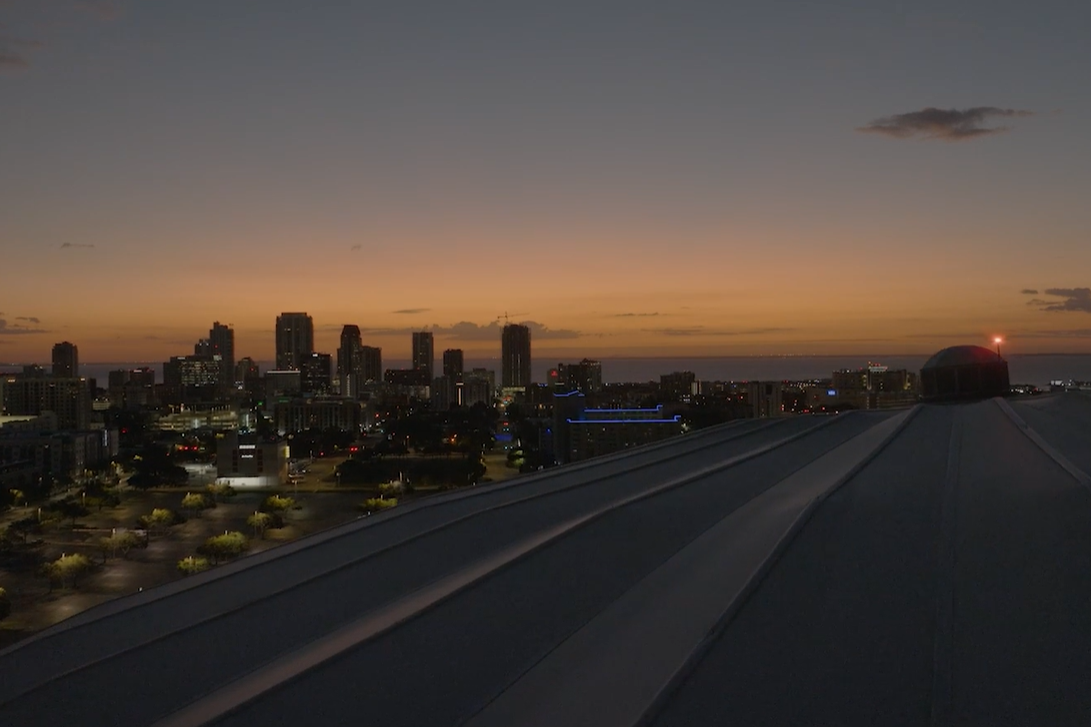
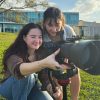
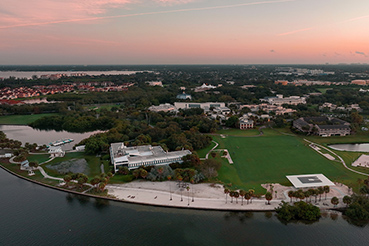
The documentary features imagery of the past and present St. Petersburg.
“The film powerfully shows how a thriving Black community in downtown St. Pete was demolished to make way for the [Tampa Bay] Rays stadium, which left me with feelings of anger and sadness. At the same time, it emphasized the strength and importance of community.
“The panel discussion after the film, featuring people connected to the Gas Plant District, made the experience even more powerful. Hearing their stories firsthand reinforced that this history should not be hidden or forgotten.”
The filmmakers made sure to exclude themselves from the story, so they could let residents and the historians provide testimonies and historical context about the political as well as cultural aspects behind the destruction of the Gas Plant neighborhood.
“The education was there, the recreation was there, and the freedom was there,” said the late-Rev. Watson Haynes II, a former resident of the Gas Plant Neighborhood, in the film. “Everything was there, that was our community.”
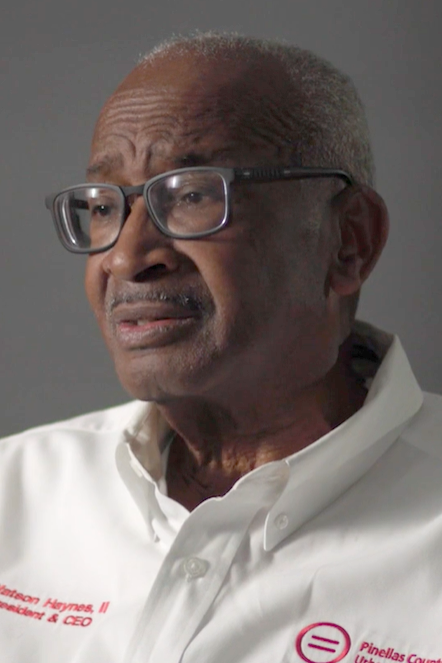
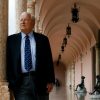
The late Rev. Watson Haynes II was featured prominently in the film as a former resident of the community.
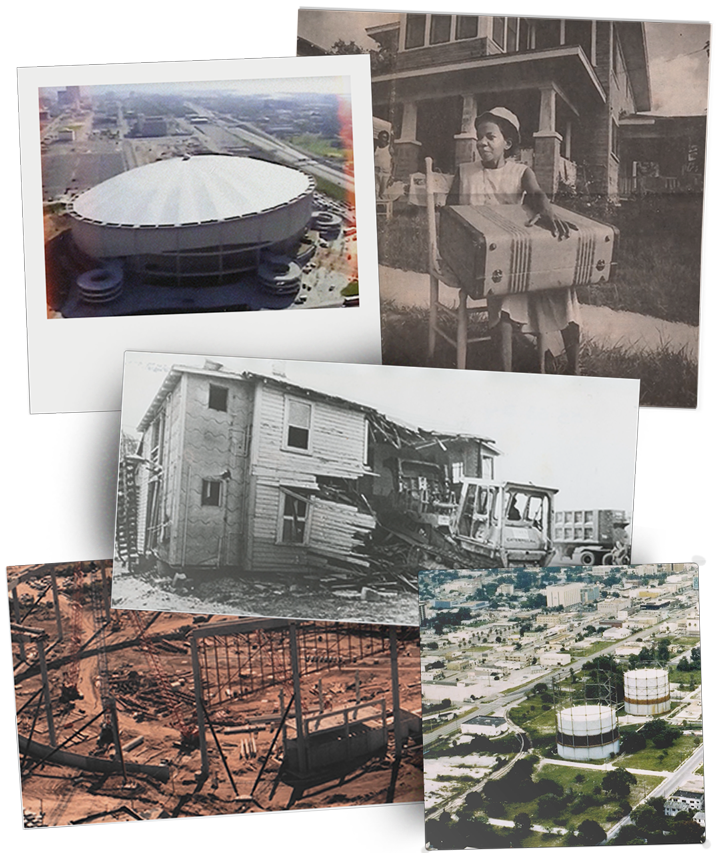
Prior to the 1980s, the Gas Plant neighborhood was an historically Black enclave with its own culture and institutions.
One of the biggest challenges in producing the film was locating visual materials to help tell the story. Many former residents had few photographs from their time in the Gas Plant. So the team did some research at the St. Petersburg Museum of History, which provided images from the Jim Crow era. Weeks before production wrapped, the team also received rare footage from the family of Katz Grocery, one of the displaced businesses.
The film’s title, “Razed,” reflects both destruction and elevation—a dual meaning that describes the thriving community that once existed and the socioeconomic costs of the site’s redevelopment.
“We hope that viewers can gain a new perspective on the history of a neighborhood that many previously only saw from the outside looking in,” Lee said. “By revisiting the joy and the pain that these members of our community lived and experienced, we might gain a better understanding of the human aspect of what is lost for the sake of progress, and to imagine a better way forward.”
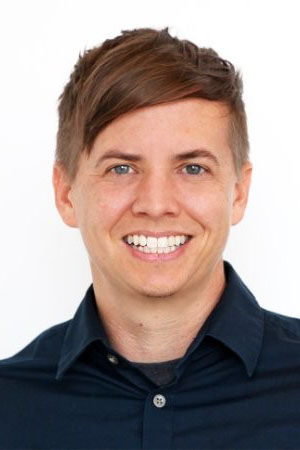
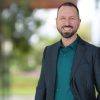
Roundhouse Creatives’ Andrew Lee, the film’s director, found out the story of the community after being invited to a gathering.