

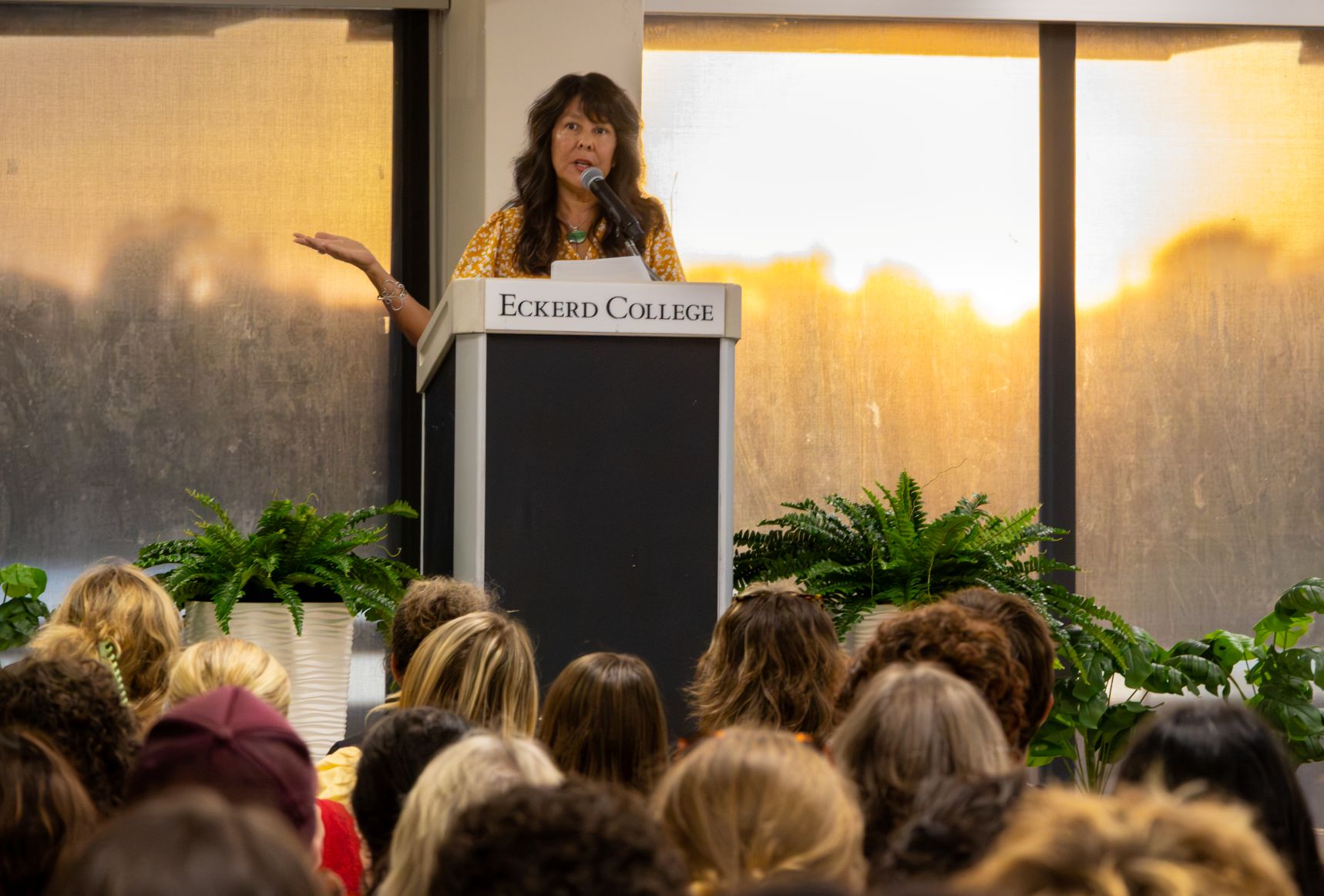
Author and 2024 National Book Award Finalist Deborah Jackson Taffa speaks at Eckerd College as part of the Eckerd Class of 1968 Distinguished Speaker Series. Photo by Madison DeVore ’25
Author and 2024 National Book Award Finalist Deborah Jackson Taffa visited Eckerd College to discuss her memoir “Whiskey Tender,” the summer reading for first-year and senior students.
“Whiskey Tender” illustrates the story of Taffa’s childhood on the Fort Yuma Reservation on the California-Arizona border and among the Navajo Nation in New Mexico. Eckerd’s College Program Series theme for this academic year is “What We Remember,” inspired by Taffa’s exploration of personal and public histories and between individual and collective memory. Her visit was sponsored by the Eckerd Class of 1968 Distinguished Speaker Series.
On Sept. 16, Taffa addressed a packed house in Fox Hall, before leading a Q&A and book signing.
At its heart, the memoir is a migration story, Taffa says, as her family migrated into mainstream America. Taffa’s mother, though married to an Indigenous man, refused to speak anything but Spanish during Taffa’s childhood, she says. She saw what it meant to have a chosen identity “built on cultural cringe.”
“It’s always a pleasant surprise to find that my story has the capacity to reach people from all generations and all walks of life,” Taffa says.
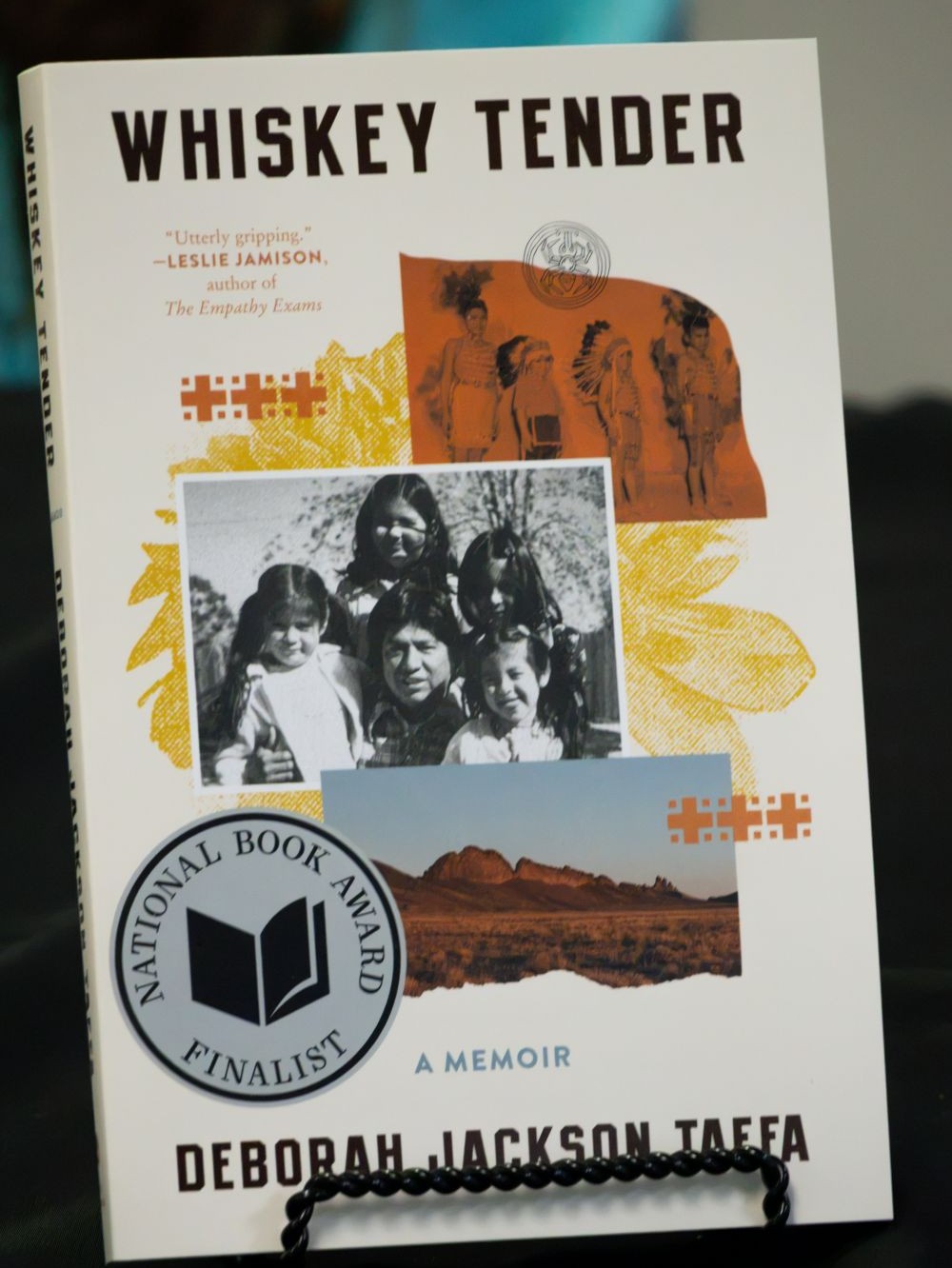
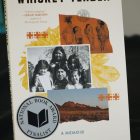
Deborah Jackson Taffa’s memoir, “Whiskey Tender.” Photo by Madison DeVore ’25
What she once thought of as a personal confusion over her family’s history and identity turned out to be a common story, she says. Her memoir takes that experience to shine a light on something broader.
“I didn’t write this story to create a divide. I told it in this book, because there are too many dark corners in America that can be relieved of persistent shadows by shining just a little bit of light and making people feel seen.”
Associate Dean for General Education and Associate Professor of Classics Heather Vincent, Ph.D., says the General Education Committee found Taffa’s richly layered story to be a perfect fit for embracing the power of storytelling, the lasting impact of history across generations and striving for justice.
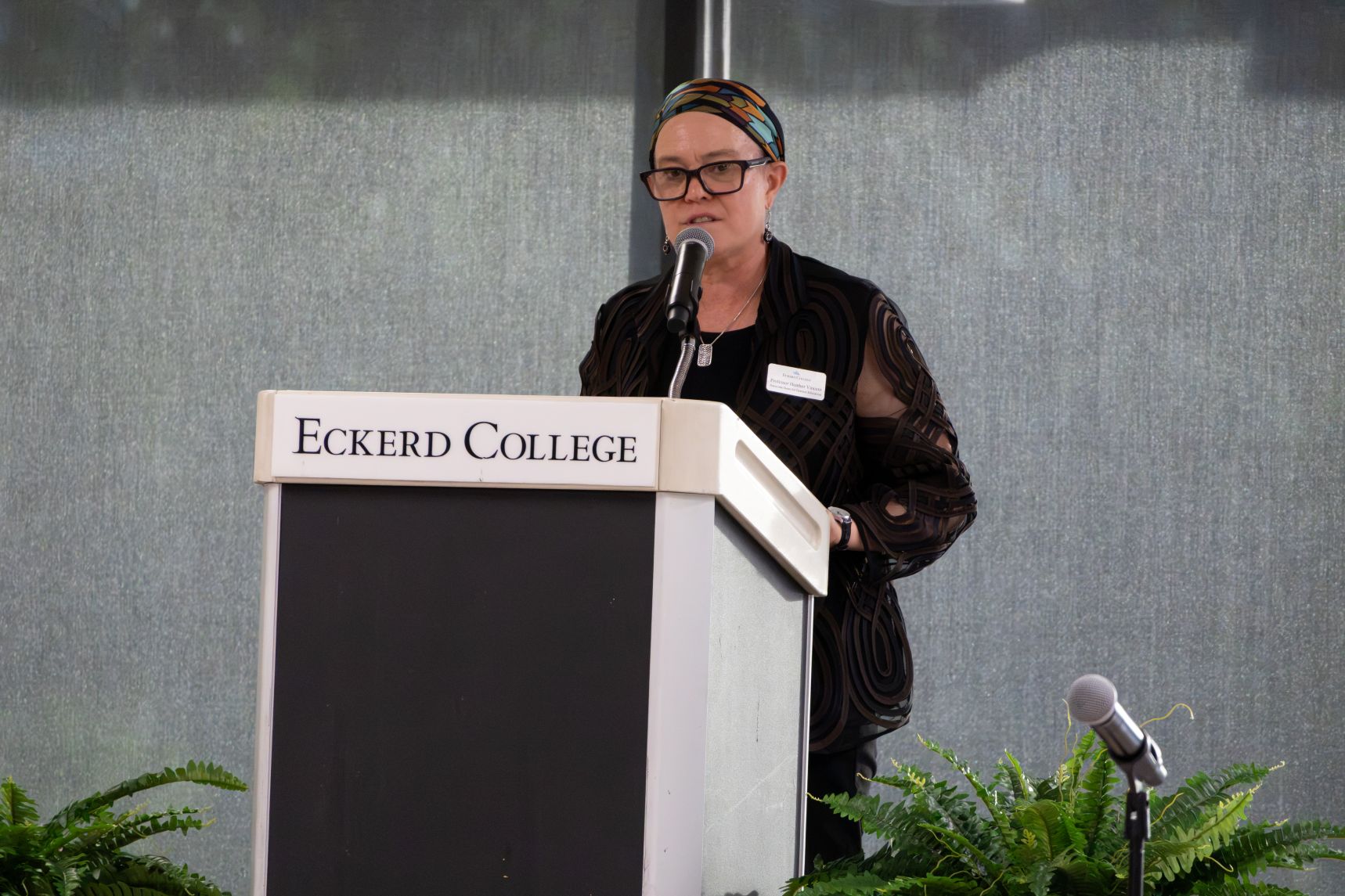
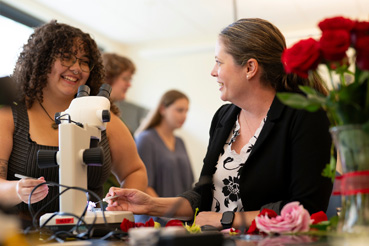
Associate Dean for General Education and Associate Professor of Classics Heather Vincent, Ph.D., introduces keynote speaker Deborah Jackson Taffa. Photo by Madison DeVore ’25
During her talk, Taffa detailed her parents’ belief in the U.S. as a meritocracy, the pressure placed on her, and the erasure of her ancestors’ successes during her education. The schools she attended taught only her ancestors’ darkest stories, she says.
“My biggest takeaway was her call to connection. She reminded us of how indigenous history is a cornerstone of so many cultures in America and something we all share,” says Maggie Crofford, a senior marine science and environmental studies major from Sandwich, Massachusetts.
Emma Campbell, a senior marine science major from Ipswich, Massachusetts, says she was looking forward to learning more about the historical and cultural aspects of the memoir, as she felt that information was lacking in her previous education. Emma gained perspective from how historical events—that happened even before Taffa was born—impacted her life.
Taffa discussed how her family taught her that “strong Indigenous people refused to think of themselves as victims.” She says her parents feared blaming historic oppression, because it would open an emotional, complicated discussion.

President Jim Annarelli addresses a reception prior to the Class of 1968 Distinguished Speaker Series event. Photo by Penh Alicandro ’22
“I never understood my parents’ decisions until I became a grandmother,” Taffa says. “It is really hard to feed the truth to a child that you love.”
Taffa connected that lesson to Eckerd students, who are spending their days learning that very truth that can bring confusion or pain.
“To receive an education is to receive wounding,” she says.
Students must be ready for this “wounding” and prepare to admit that they don’t know everything they thought they did, she says.