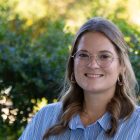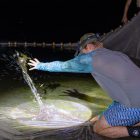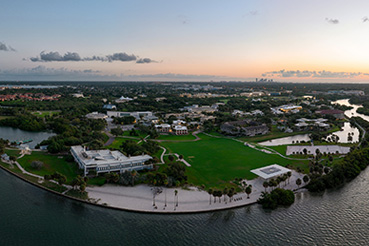
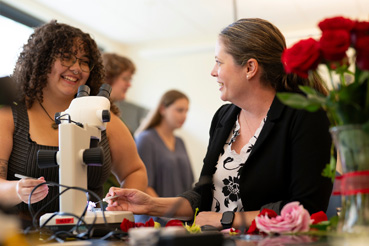

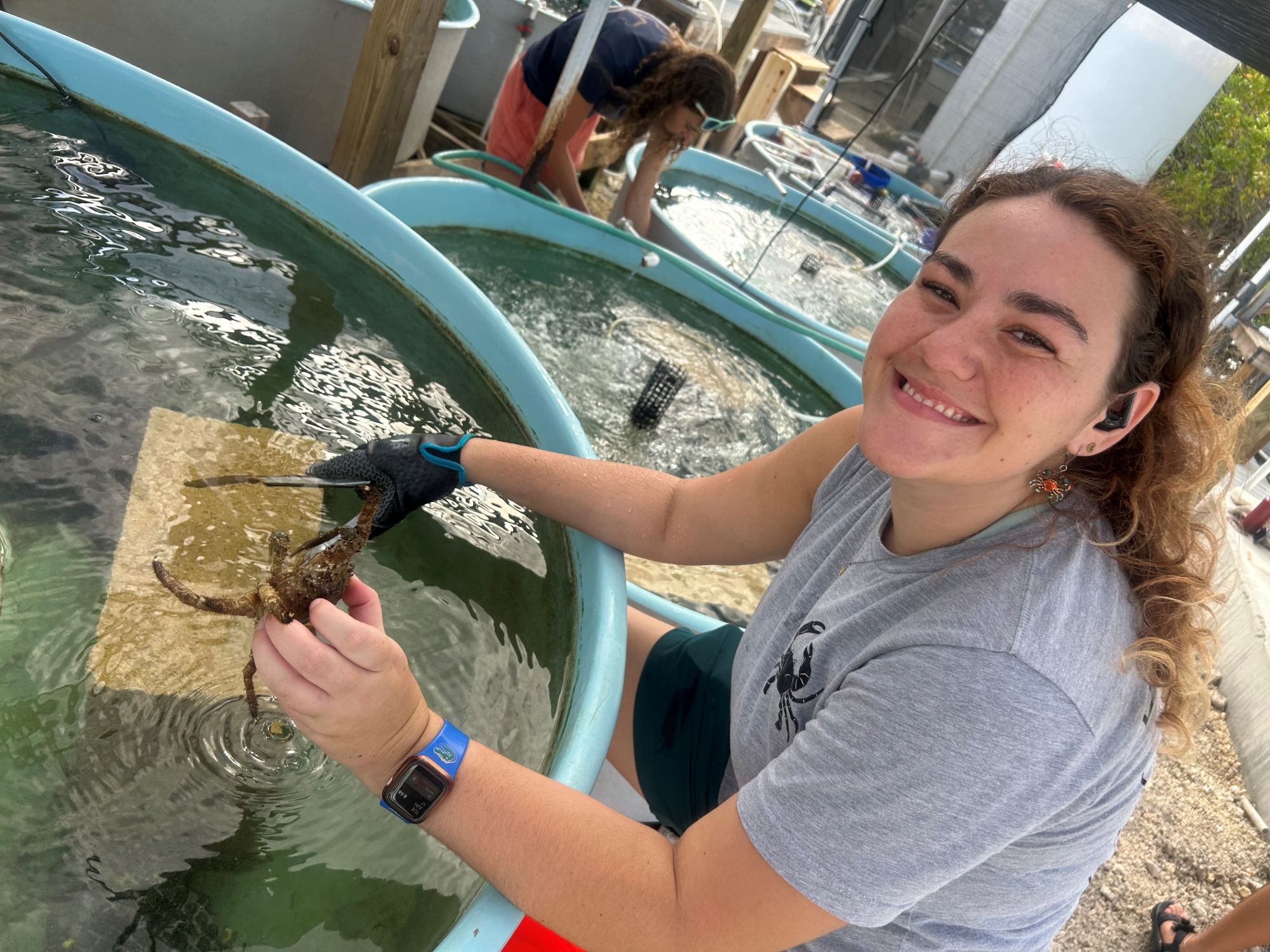
Taylor Queen ’26 works in Philip Gravinese, Ph.D.’s Ecophysiology Lab. Photos courtesy of Philip Gravinese, Ph.D.
“Every day I was in the lab, salty, sweaty, working with crabs. None of this was hands-off,” says Maggie Crofford, a senior marine science and environmental studies major from Sandwich, Massachusetts, a town on Cape Cod. She’s been involved with Caribbean king crab research in the Florida Keys since the spring of her sophomore year under Assistant Professor of Marine Science Philip Gravinese, Ph.D.
“They [students] do all the work, all the research, and I assist them while we are in the field,” says Gravinese.
For the third year in a row, Gravinese has been awarded the Mote Marine Laboratory & Aquarium Protect Our Reefs Grant, which supports the crab research. This year, the grant was for $25,000. The grant is supported by the “Protect Our Reefs” license plate for Florida drivers.
The Caribbean king crab is a coral restoration species of interest because of their ability to consume macroalgae and promote coral recruitment. The main motivation behind this work is that coral reefs are suffering from rising temperatures and at the same time, some reefs have become dominated by an increase in macroalgae cover. There’s evidence that the Caribbean king crab is beneficial to coral reefs, promoting growth and significantly reducing the amount of algae on the reef, says Gravinese.
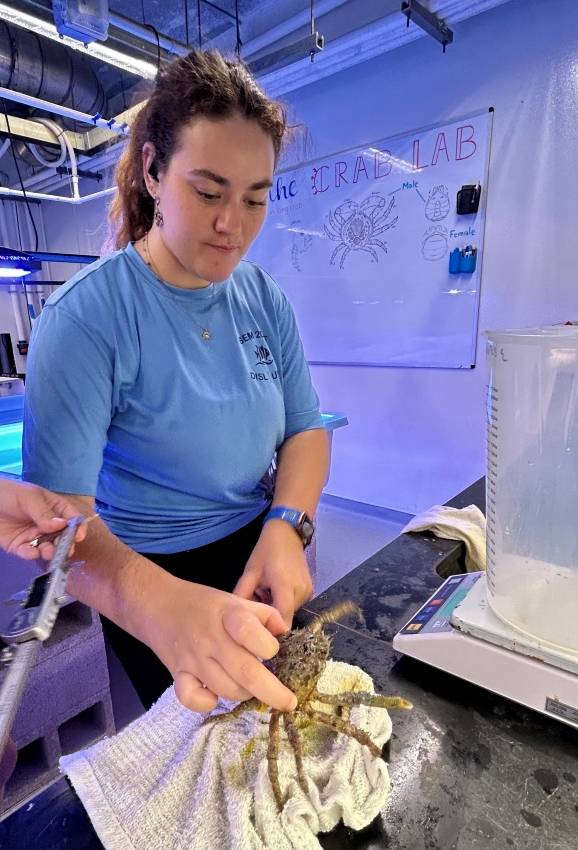
Taylor Queen ’26 examines a Caribbean king crab.
Every summer, his Ecophysiology Lab tests different physiological research questions related to thermal stress to identify if the crab can tolerate the same level of thermal stress corals face. The lab collaborates with Jason Spadaro, Ph.D., staff scientist and program manager of the Coral Reef Restoration Program at Mote.
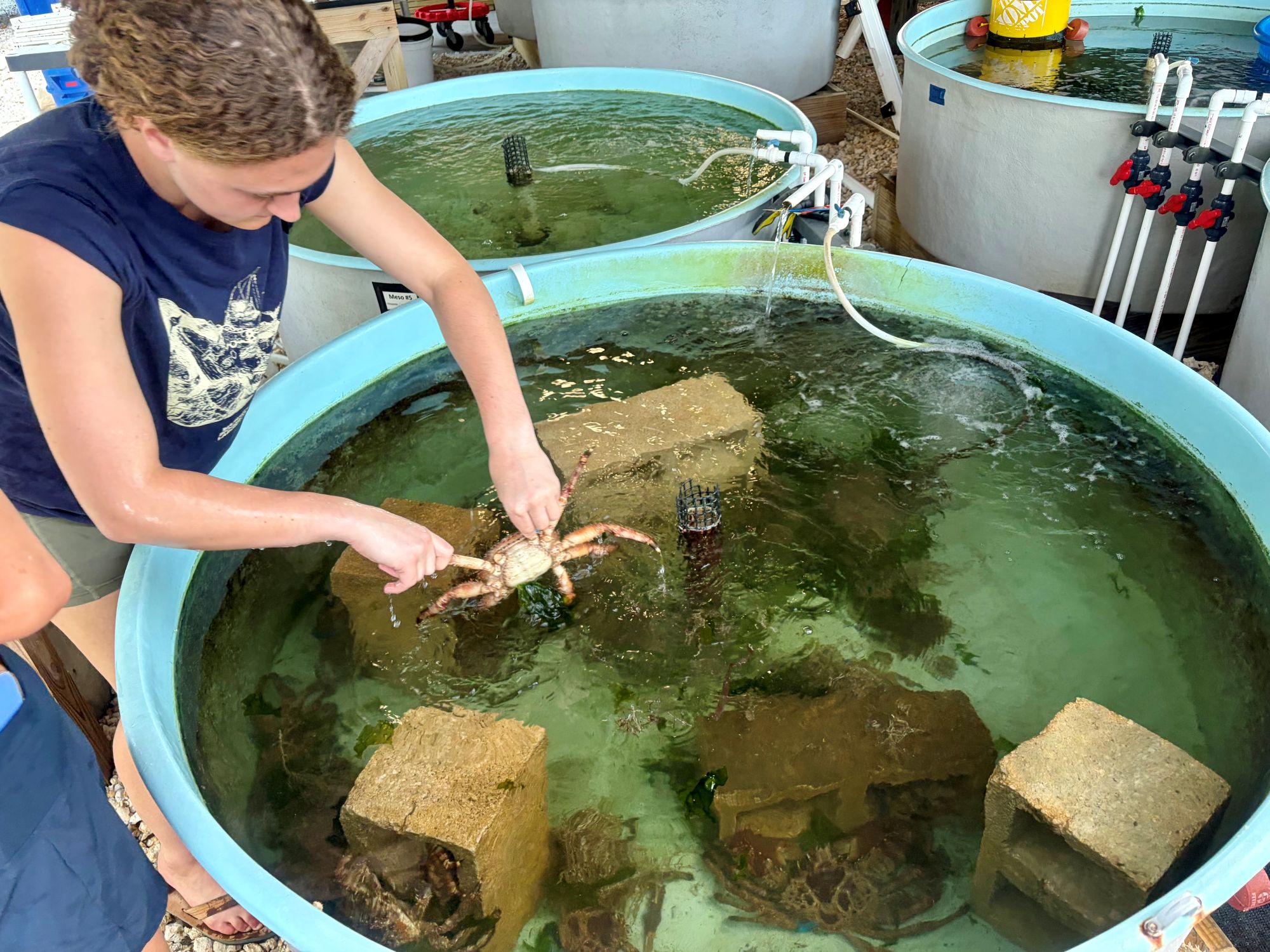
Eckerd senior Maggie Crofford sorts Caribbean king crabs in preparation for a thermal stress test.
“The ongoing and growing partnership with Eckerd College and Dr. Gravinese is extremely productive. We look forward to continuing to grow and expand the partnership and the science with this new award,” says Spadaro.
Students receive a stipend and generally live on-site for over two months. Students have turned their research into a senior thesis–and even published their work.
“It didn’t quite click how amazing it was to get published, especially before I graduated,” says Taylor Queen, ’26. The Eckerd community is so research-oriented, it felt “inevitable,” she adds.
Taylor, who co-authored a paper with Spadaro, Gravinese and others, says Gravinese encourages students to work on their thesis as if they are going to publish. Gravinese is there to field students’ questions and occasionally support them in the lab. Students can gain independent research skills while knowing that Gravinese is there to troubleshoot with them.
After going to conferences and meeting students from other institutions, and seeing the gap in research experience, Taylor says, “I definitely think Eckerd was the best choice for me.”
This doesn’t solely apply to Gravinese’s lab, she says. She has noticed that Eckerd students tend to gain independence in a research setting and are able to get involved sooner, with no graduate student competition.
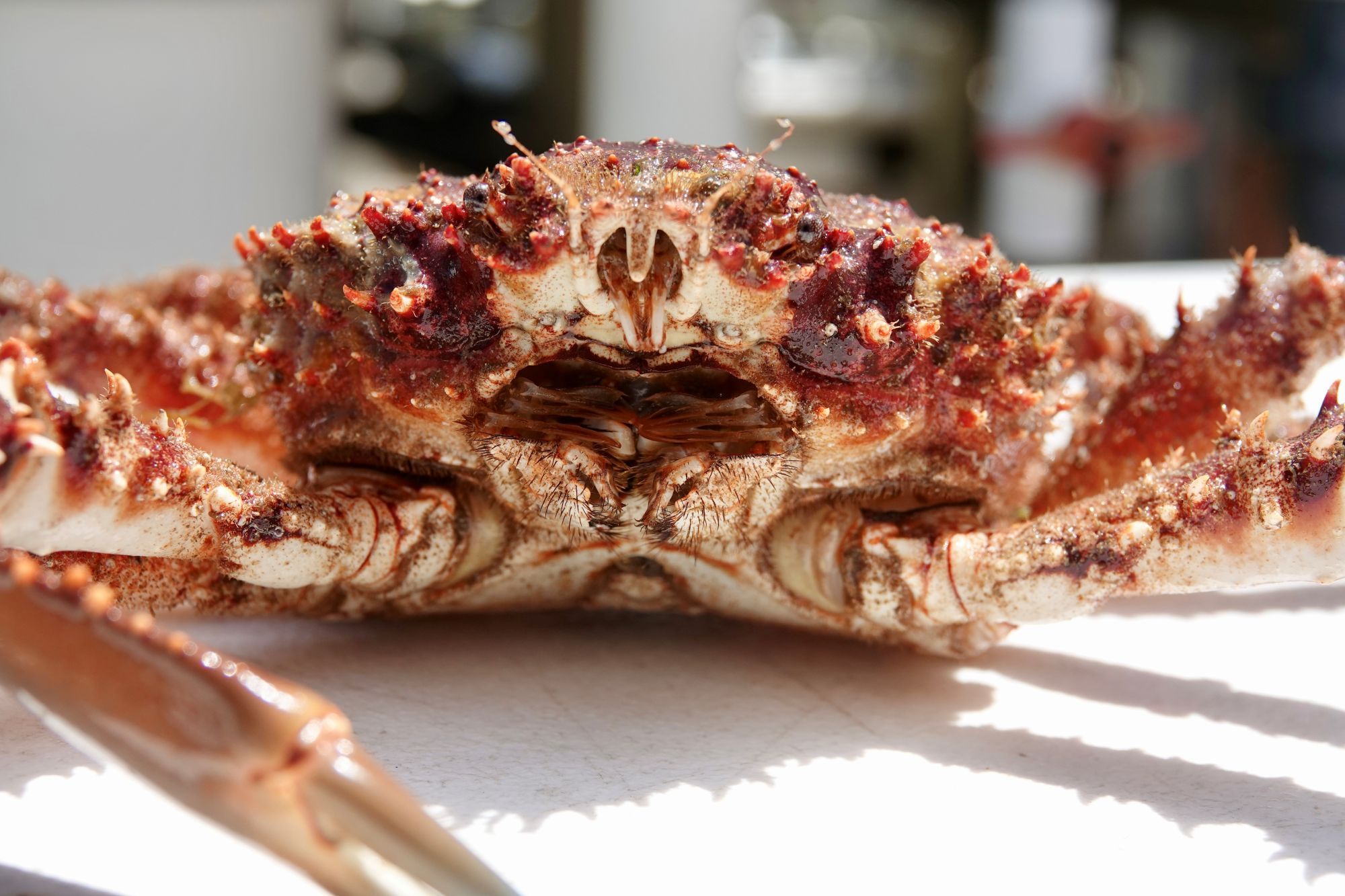
A Caribbean king crab.
This is the last full summer Gravinese will be in the Keys, as a major grant is ending. He will be transitioning the research to have a stronger on-campus presence, where students can conduct research specific to Tampa Bay.
Maggie says she gained confidence as a researcher by leading her project independently. However, her path didn’t begin the way she’d envisioned.
In high school, Maggie coordinated with her marine science teacher on a project about horseshoe crabs. She cited Gravinese in one of her papers too, so when researching Eckerd, she recognized that name.
She eventually applied for Eckerd’s first-year student research associateship. She didn’t get in. In her sophomore year, she realized people who didn’t get into the program could still volunteer in the lab. Now, her work in the lab is for her thesis.
Maggie’s advice to incoming students interested in the lab? Volunteer. Be curious and open-minded.
“Dr. G wants to see you succeed; he wants to give students this opportunity,” she says.