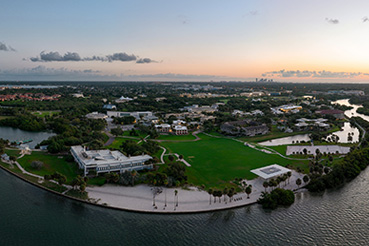
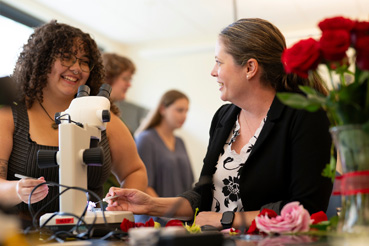
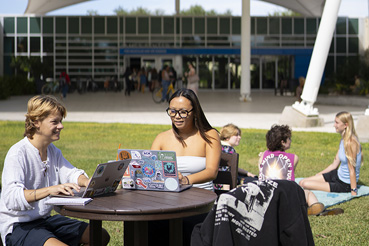

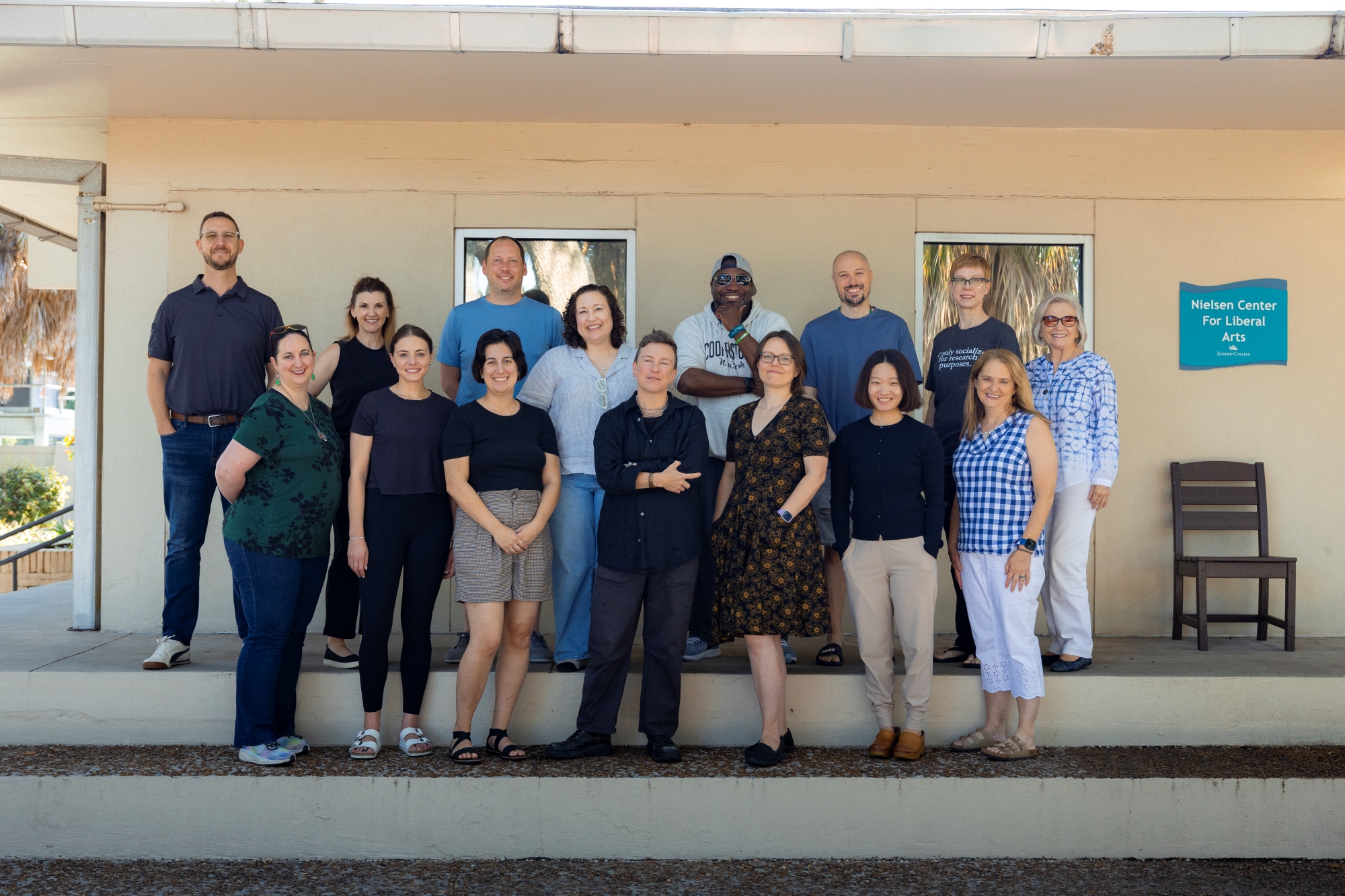
Members of the 2025-26 Nielsen Center for the Liberal Arts fellowship cohort gathered for an in-person workshop on the Eckerd College campus. Photos by Penh Alicandro ’22
Why pursue a career in higher education?
For professors, it’s a question that rarely comes up day to day amid lesson planning, committee meetings, advising appointments, and the countless other responsibilities that fill a day. Yet for many faculty members at small liberal arts-focused colleges, reconnecting with that sense of purpose can be just as important as the act of teaching itself.
In 2021, Eckerd College launched the Nielsen Center for the Liberal Arts to give faculty members space to reflect on the purpose and promise of their work.
Founded through a $15 million gift from longtime Eckerd trustee Helmar Nielsen, the Center brings together early-career professors from small liberal arts colleges across the country for a 13-month fellowship focused on teaching, reflection, leadership and the enduring value of liberal arts education.
“Helmar Nielsen, the benefactor of the Nielsen Center for the Liberal Arts at Eckerd College, believed that the strength of a liberal arts education is founded in the expertise, imagination, and commitment of its faculty,” says Associate Dean of Faculty for Faculty Development K.C. Wolfe, who succeeded Julie Empric, Ph.D., professor of literature emerita, as executive director of the Nielsen Center in 2025. “The Center is a place where that can be nurtured as it is nowhere else.”
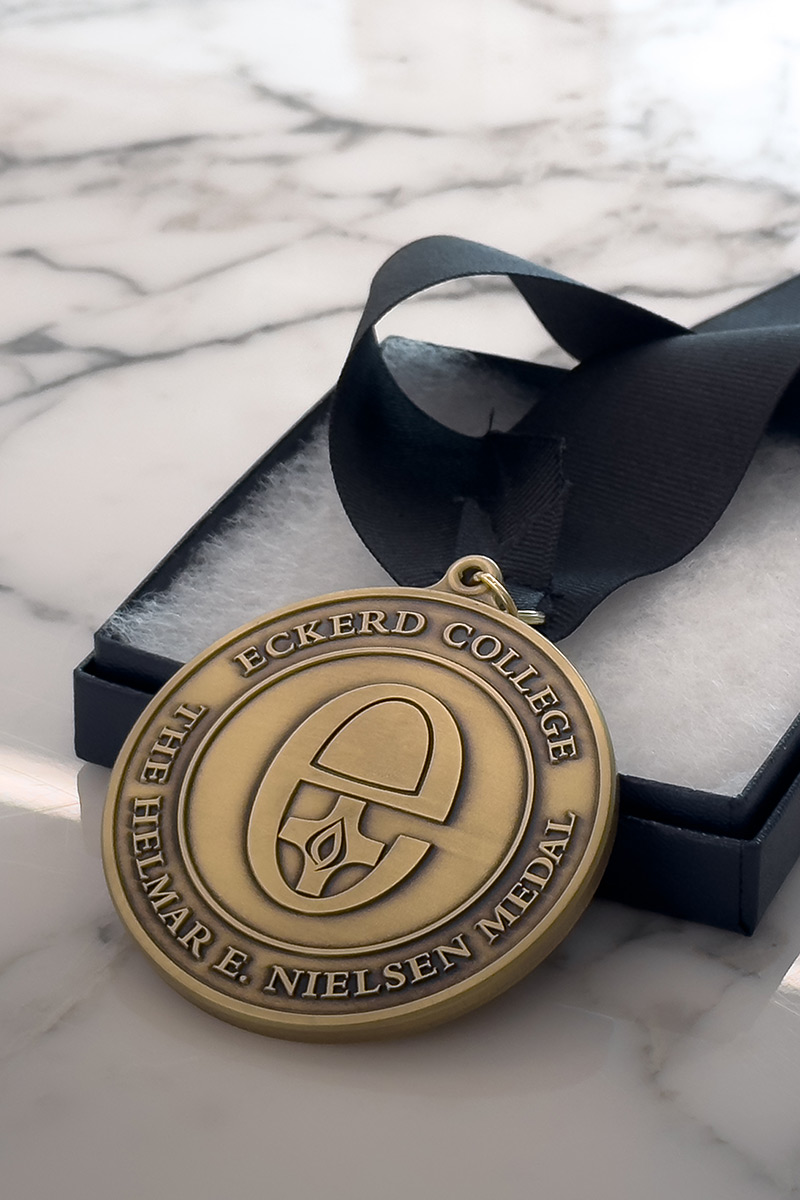
The Helmar E. Nielsen Medal , which shares its namesake with the Nielsen Center, is the highest honor Eckerd College can bestow upon an individual.
As the Nielsen Center enters its fifth year and welcomes its seventh cohort, Wolfe says one lesson has become increasingly clear: Early-career faculty need more than traditional professional development opportunities—they need space to reflect.
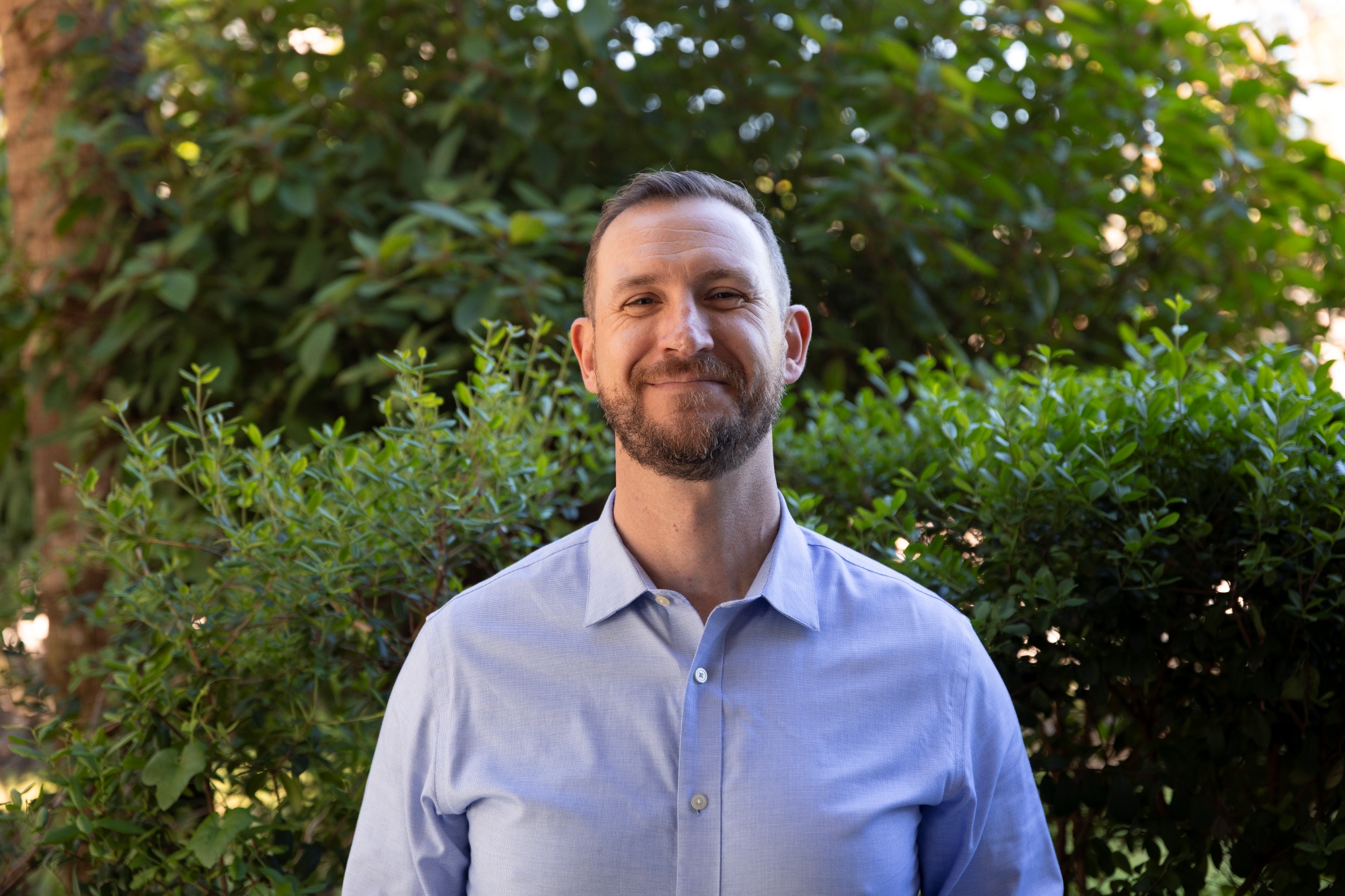
Associate Dean of Faculty for Faculty Development K.C. Wolfe became executive director of the Nielsen Center for the Liberal Arts in 2025.
“We’re working at a time in higher education when the role of a faculty member, especially at small liberal arts colleges, is being tested in many ways and renegotiated in light of a dozen internal and external forces,” says Wolfe. “When professors find themselves pulled in so many directions, a deeper understanding of themselves as teachers, scholars, mentors, and institutional stewards helps shape and sustain meaningful connections with their work, and helps to strengthen their institutions and the liberal arts more broadly.”
That understanding has informed the fellowship’s curriculum, which has evolved to include more collaborative, hands-on learning experiences.
“We moved from a predominantly readings-and-discussion format in the first year to a more active curriculum, including dynamic programming that can be and has been adopted by the fellows for use in their own classrooms and on-campus peer groups,” says Wolfe. “Currently, the arc over the 13-month fellowship involves the fellows’ incrementally increasing ownership over their Nielsen experience, including sustaining group interactions and projects among themselves between their on-campus visits.”
For Charles McCrary, Ph.D., assistant professor of religious studies at Eckerd and a member of the 2024-25 cohort, the fellowship prompted him to rethink his approach to course design. Earlier in his career, he viewed learning objectives and outcomes largely as administrative requirements. Through the Nielsen Center, however, he came to see them as an opportunity to think more intentionally about how individual courses contribute to a student’s broader liberal arts education.
“It is very important to think about the outcomes and objectives of a course, to design your course with your college’s mission in mind, and to think clearly and holistically about how the skills and knowledge acquired in your course might contribute to a student’s overall formation,” McCrary says.
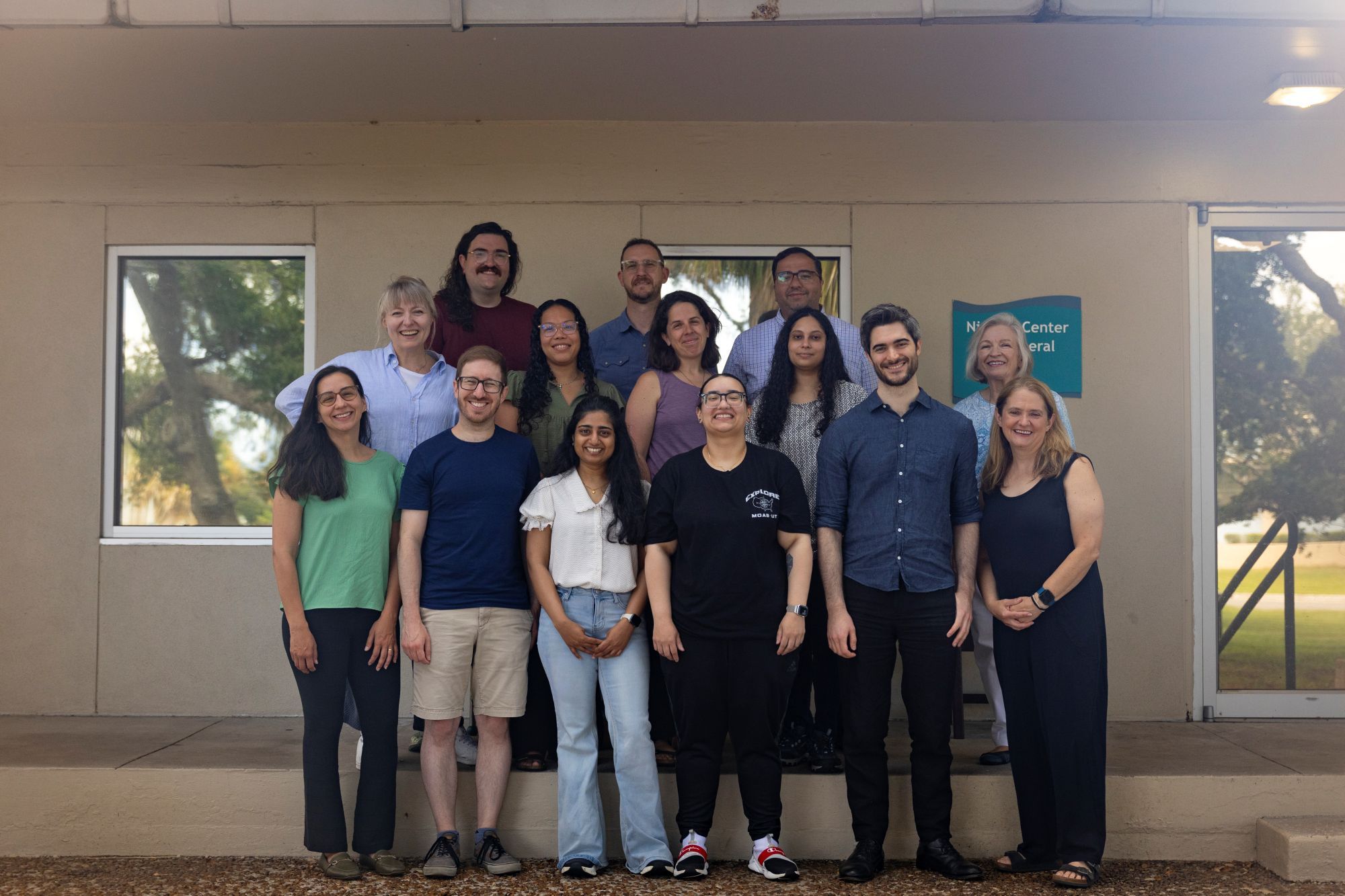
The 2026-27 cohort for the Nielsen Center for the Liberal Arts gathered for its first workshop session June 15-18, 2026.
For Matthew Karlesky, Ph.D., assistant professor of management at Eckerd and a member of the 2025-26 cohort, the most valuable aspect of the fellowship was the opportunity to engage with faculty from different disciplines and institutions.
“The Nielsen Center cultivates a community of like-minded educators and advocates for the liberal arts,” he says. “It offers a place where we can not only share ideas and best practices to take on a variety of challenges facing small liberal arts colleges, but also where we can support each other in our collective efforts to realize the value of a liberal arts education.”
One exercise that particularly stuck with Karlesky asked fellows to reflect on the experiences that led them to careers in higher education. Called the “River of Life,” the activity encouraged participants to map the people, moments, and turning points that shaped their paths.
“Hearing the life stories of my fellow fellows was incredibly powerful,” Karlesky says.
That opportunity for reflection is central to the Nielsen Center’s mission. Alongside conversations about teaching, leadership and the future of liberal arts education, the fellowship encourages participants to reconnect with the values that drew them to higher education in the first place.
“No one—or perhaps very few of us—working in academia just fell into this work,” Wolfe says. “For nearly all of us, this work is a calling.”