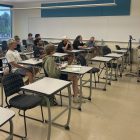



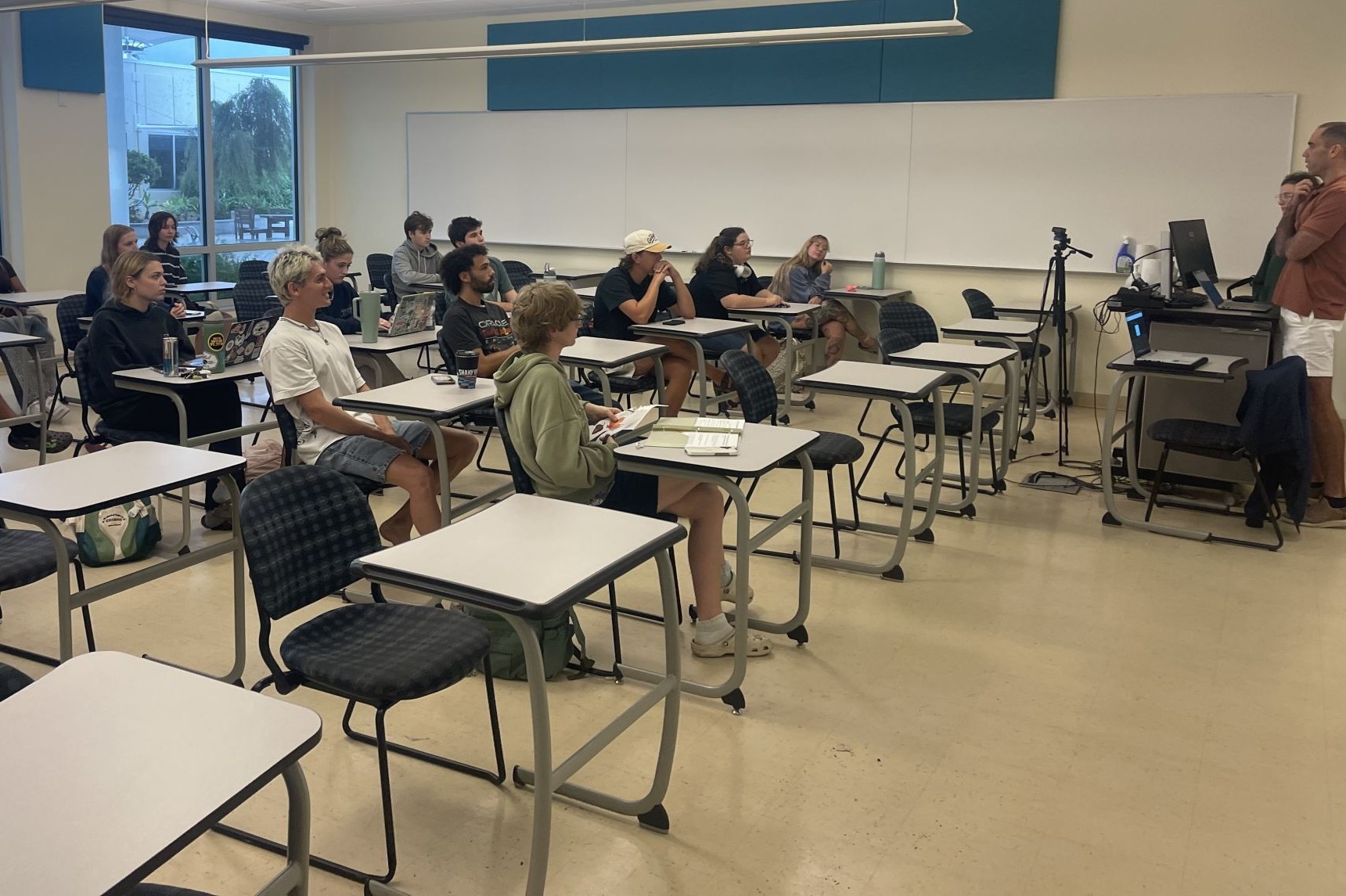
The Eckerd College chapter of The Wildlife Society holds its first meeting. Photos provided by Tristan Joyce-Velez
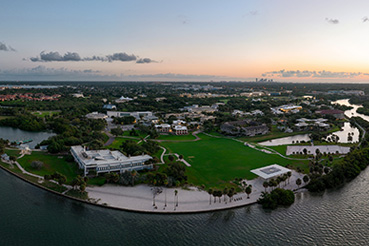
Eckerd College has officially launched its chapter of The Wildlife Society, an international organization committed to addressing issues that affect wildlife now and will shape the future.
“It’s an academic group, but it’s much more than that,” says Associate Professor of Biology Jeffrey Goessling, Ph.D., who oversees Eckerd’s new student chapter.
The organization includes scientists, managers, educators, students, and others who manage, conserve, and study wildlife populations and habits. The society’s programs include conservation grants, career connections and wildlife policy actions. Members come from various points of view, whether they’re reptile researchers, lawmakers or deer hunters.
The Wildlife Society was established in 1936. One of its founders was Aldo Leopold, who is considered the father of wildlife ecology, and Goessling’s son is named after him.
Eckerd’s student chapter plans to provide opportunities for field trips, networking events and conferences. The Wildlife Society also offers professional certifications in wildlife biology.
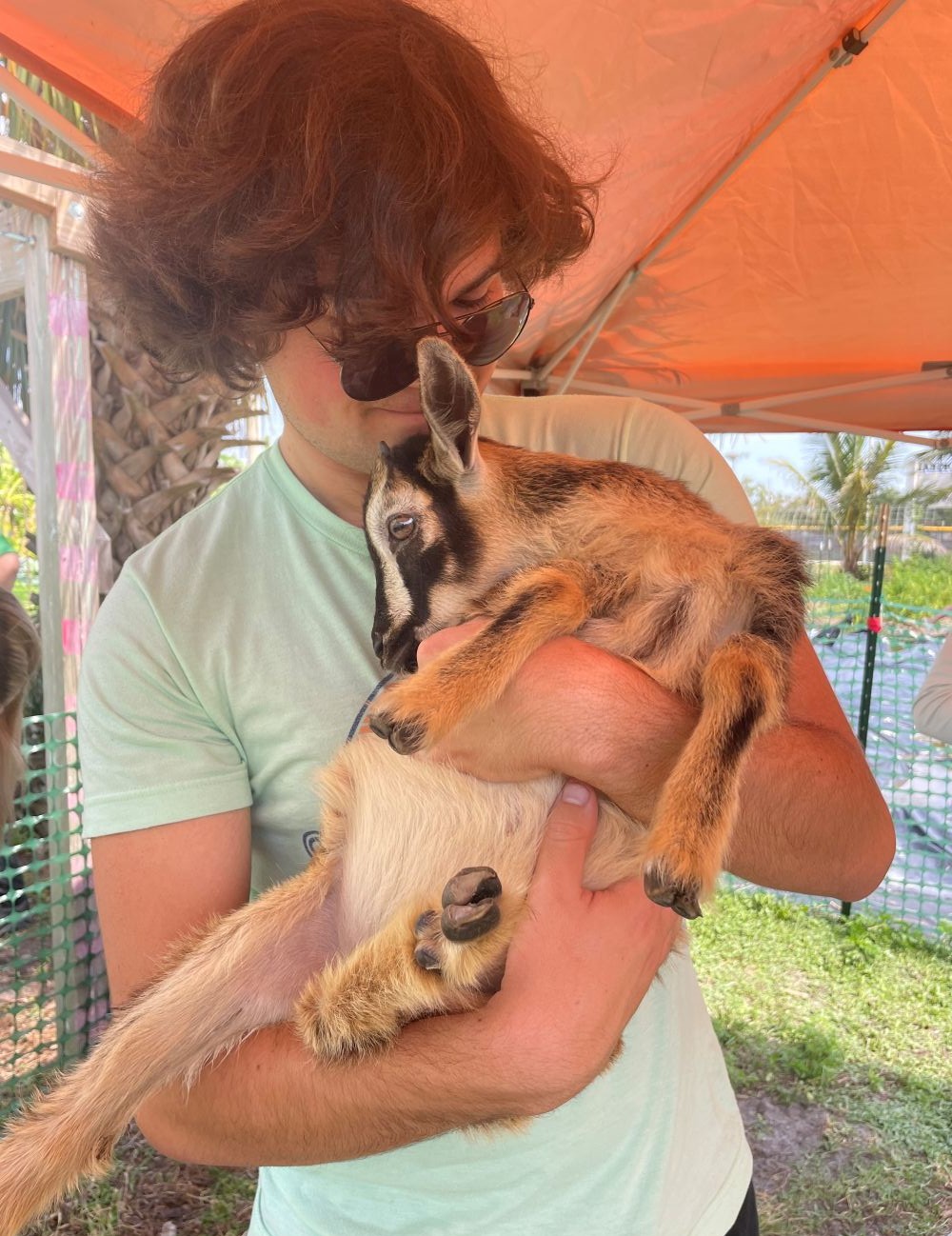
Tristan Joyce-Velez cradles a baby goat at an Eckerd Community Farm event in 2025.
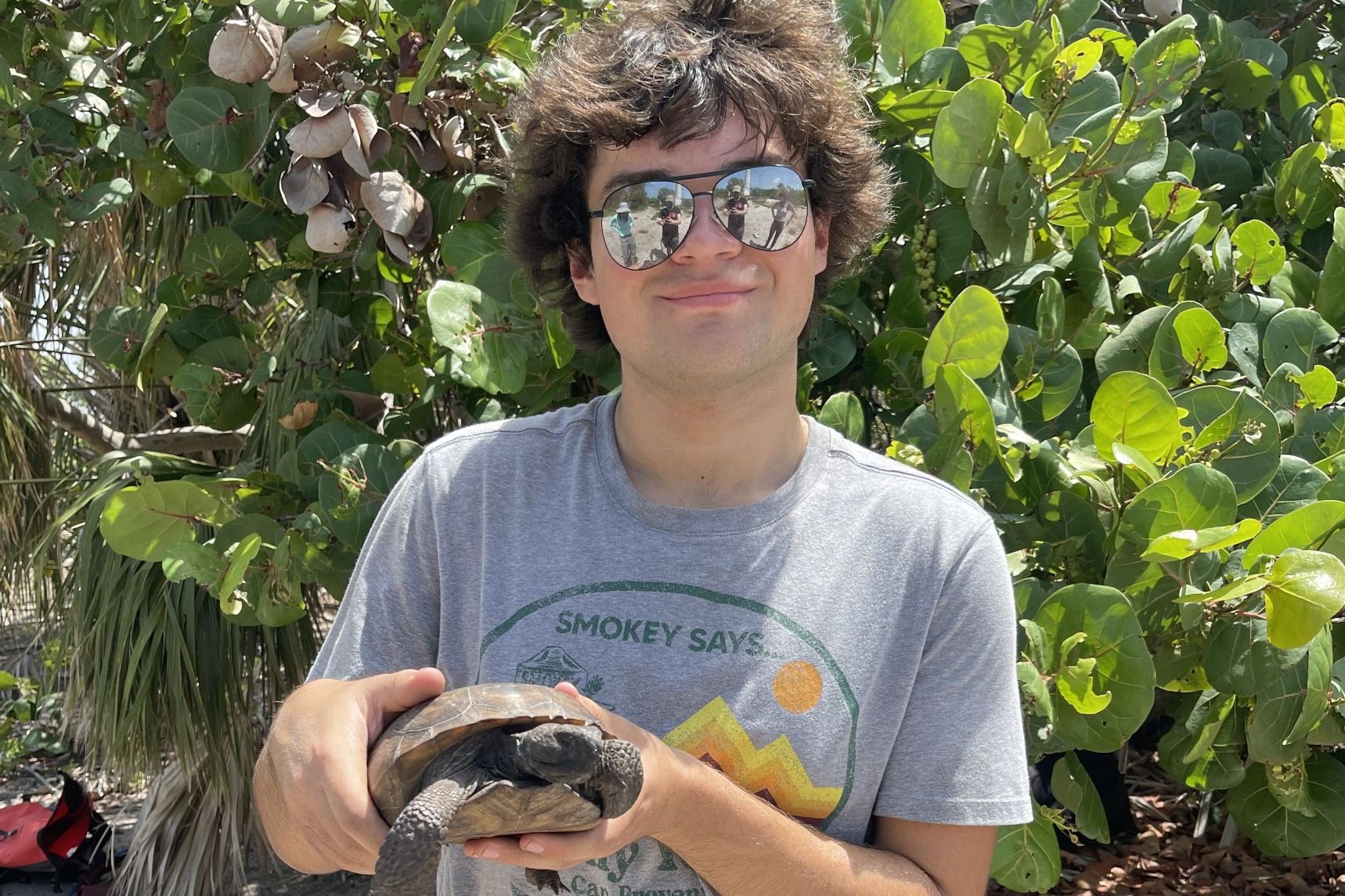
Tristan Joyce-Velez with a gopher tortoise.
“If you go and apply for a job as a wildlife biologist with the state of Florida, being certified as a wildlife biologist is an important credential that would help you be set apart,” says Goessling.
Student leadership has been established by Tristan Joyce-Velez, a junior biology major from Saint Paul, Minnesota, who will be chapter president. Tristan, who wants to land a career in wildlife or conservation, worked with tortoises the summer after his first year, under Goessling’s guidance.
This year, the chapter’s ultimate goal is to establish its presence on campus, garner student interest and keep their eyes on the horizon. The club held its first meeting on Oct. 7 in the James Center for Life and Molecular Sciences.
“The first meeting was a great success,” says Tristan. “We had a room full of people who all seemed interested and passionate.”
They’ve begun brainstorming ideas for research field trips and guest speakers.
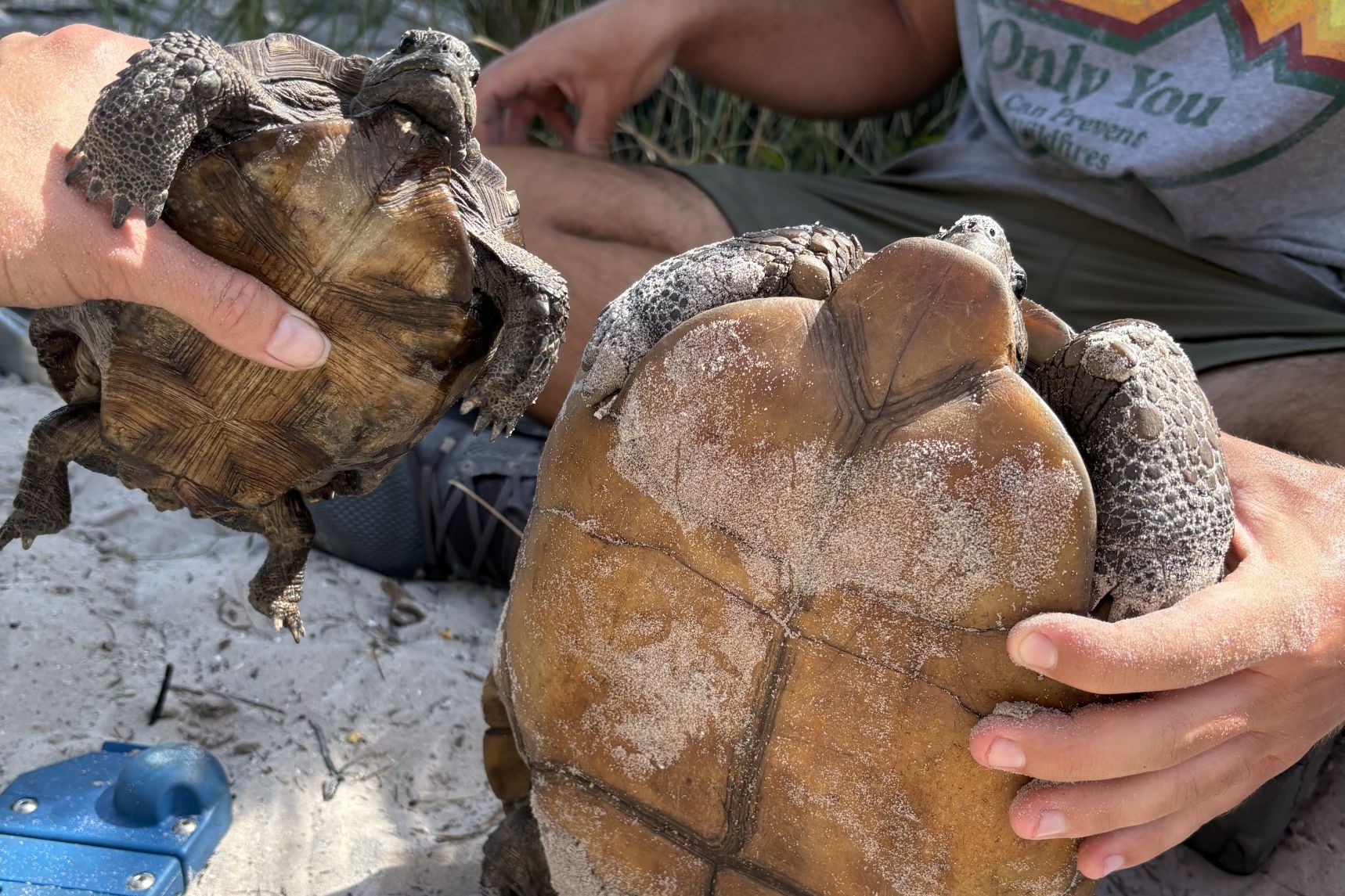
A pair of gopher tortoises are examined by Eckerd College students.
“It’s kind of a very good fit for our school in particular, because there’s just so many people interested in this, and interested in this as a career,” Tristan says.
Tristan is looking forward to setting students up for future success. While Tristan may not experience some of the chapter’s benefits firsthand, he’s excited to see how it expands and thrives after he graduates.
Goessling sees the chapter’s diverse offerings as an essential element of the liberal arts: professional training and exposure that better prepares students for their careers and their lives after graduation. The chapter itself, Goessling says, is a central place for students with an interest in wildlife—an interest not lacking on campus—to gather.
“There’s a lot of students that are craving this,” Goessling says.