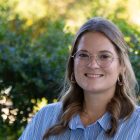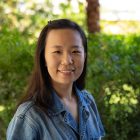

Eckerd College senior Naomi Herbst spent five weeks supporting public health in Uganda as part of a non-profit fellowship. Photo courtesy of Naomi Herbst
“The ways in which we are thinking about your education don’t stop here,” says Professor of Sociology and Coordinator of the Public Health Minor at Eckerd College Lisa Miller, Ph.D.
Miller is referring to Eckerd’s new graduate school pathway, which grants students automatic admission into the University of South Florida’s master’s in public health program if they meet basic requirements.
“Students really fall in love with the public health minor, because it gives them an interdisciplinary, holistic training to working with patients one day, or to working with individuals who are likely to fall ill or have shorter life expectancy,” Miller says.
When Eckerd launched the public health minor, Senior Associate Dean of Academic and Student Affairs and a professor at USF Jaime Corvin ’99, Ph.D., saw an opportunity to build a bridge to help students bring their Eckerd experience forward and gain specialized knowledge, practical opportunities and professional connections at USF.
On Sept. 17, Corvin visited Eckerd’s campus for the pathway launch event.
“Tonight, the title that means the most to me is Eckerd College alumna,” Corvin said at the event.
As an Eckerd student, Corvin knew she loved medicine and helping others. But she learned that she wanted something more—a world where fewer people are sick and fewer lives are cut short.
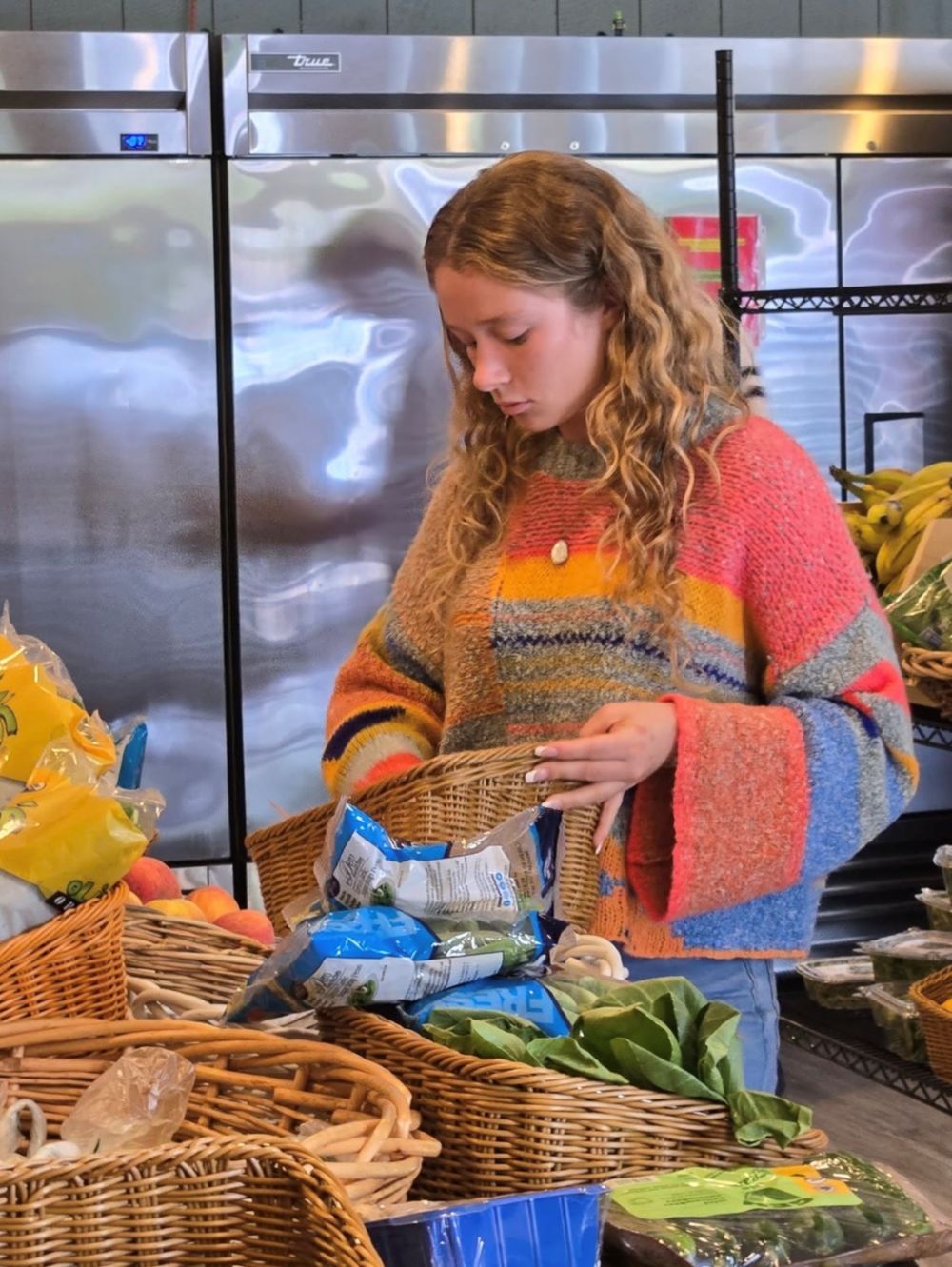
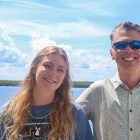
Eckerd College senior Bella Cotter interned at WHEAT Community Connections in Clinton, Massachusetts, as an office, pantry and thrift store associate, while also researching food security and human rights to food and health. Photo courtesy of Bella Cotter
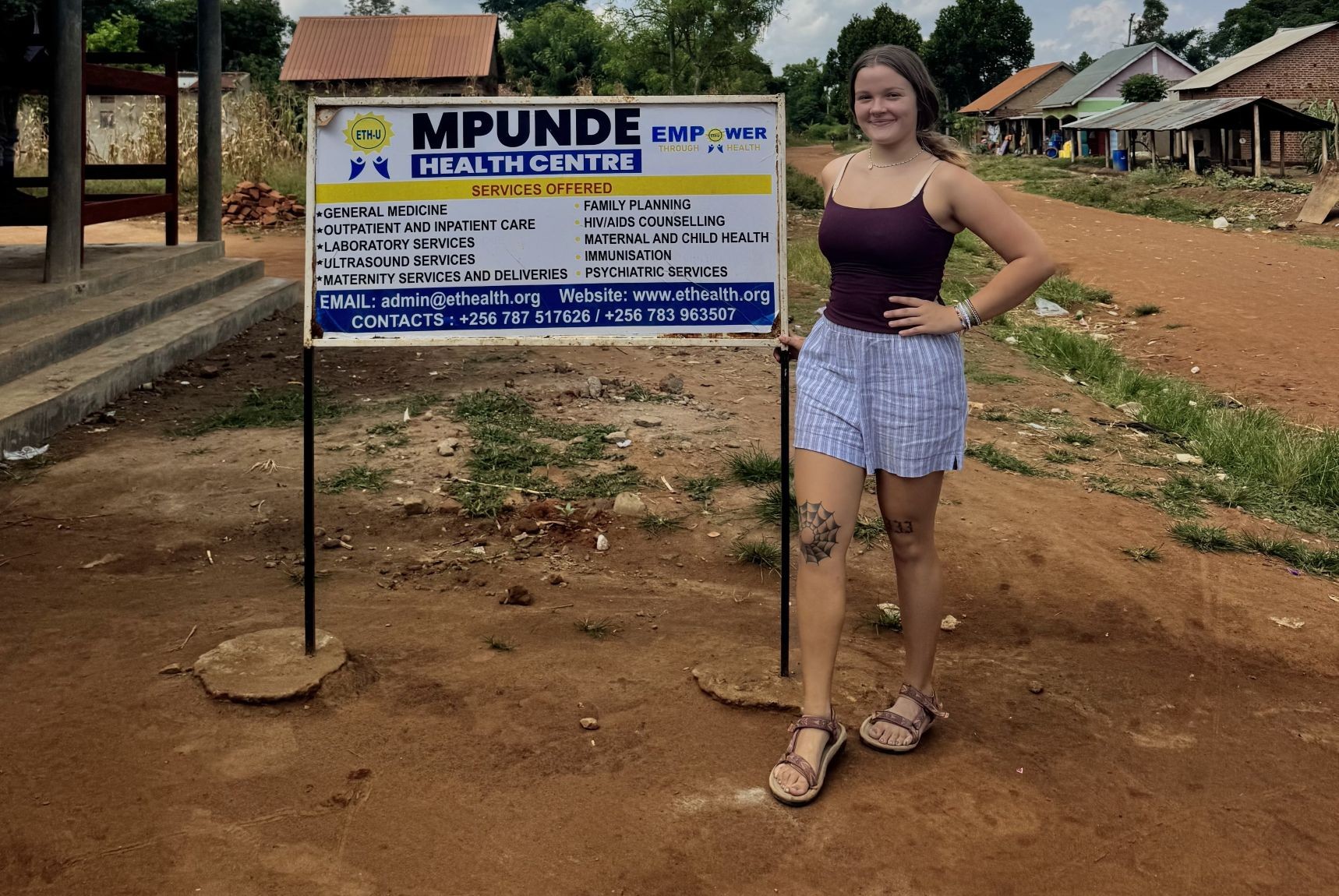
Naomi Herbst stands next to the Empower Through Health clinic sign on the final day of her five weeks in Uganda. Photo courtesy of Naomi Herbst
“For me, this pathway is deeply personal. Eckerd gave me the foundation to discover public health and surrounded me with mentors who looked beyond graduation and remained invested in who I would become,” Corvin says.
Associate Dean of Faculty for Student Success Kat Robinson, Ph.D., says there are currently three graduates of Eckerd in the USF program. She calls them the “pathfinders.”
One of these pathfinders is Deenah McFadden ’25, who studied molecular biology and anthropology in addition to the public health minor. She has wanted to go to medical school her entire life, but she took an anthropology class at Eckerd because the word “disease” was in the title and ended up loving the major.
“I think the whole reason I was doing the double major was because of the way I view our medical system and some of the qualms I have with it,” McFadden says.
She wants to go into the medical field knowing she is making a real difference, without feeding the parts of the system she disagrees with, she says. When the public health minor came to fruition, McFadden felt immediately connected to its goal of an interdisciplinary and systems-thinking approach.
The public health minor taught her to think upstream—to consider the cause of something opposed to only treating the symptoms. For example, if a patient is experiencing respiratory distress, McFadden doesn’t just want to prescribe them a medication, she says. She’d want to understand if someone in their home is smoking, if their residence has mold or if the entire geographic region is being affected.
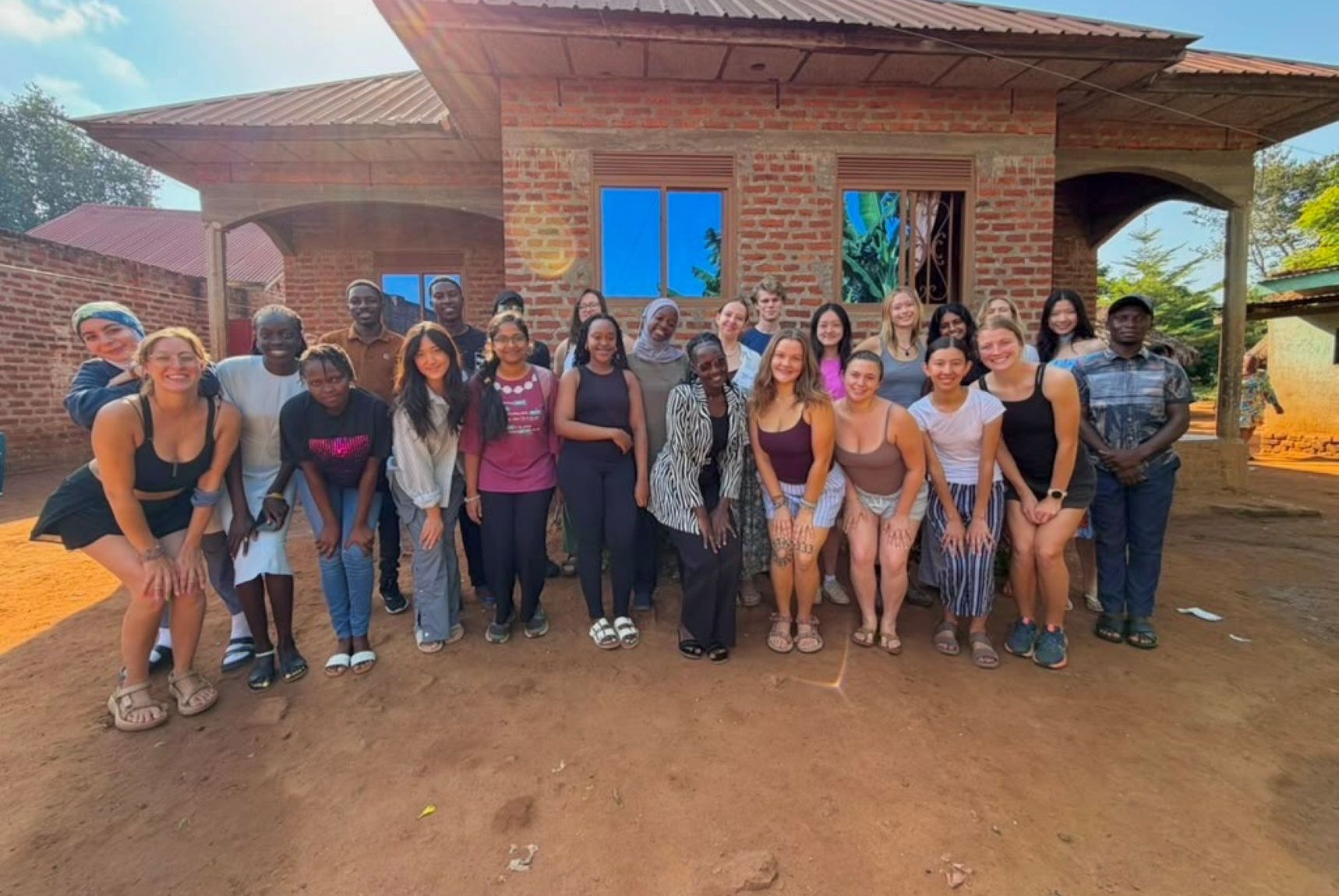
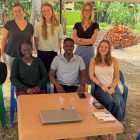
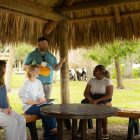
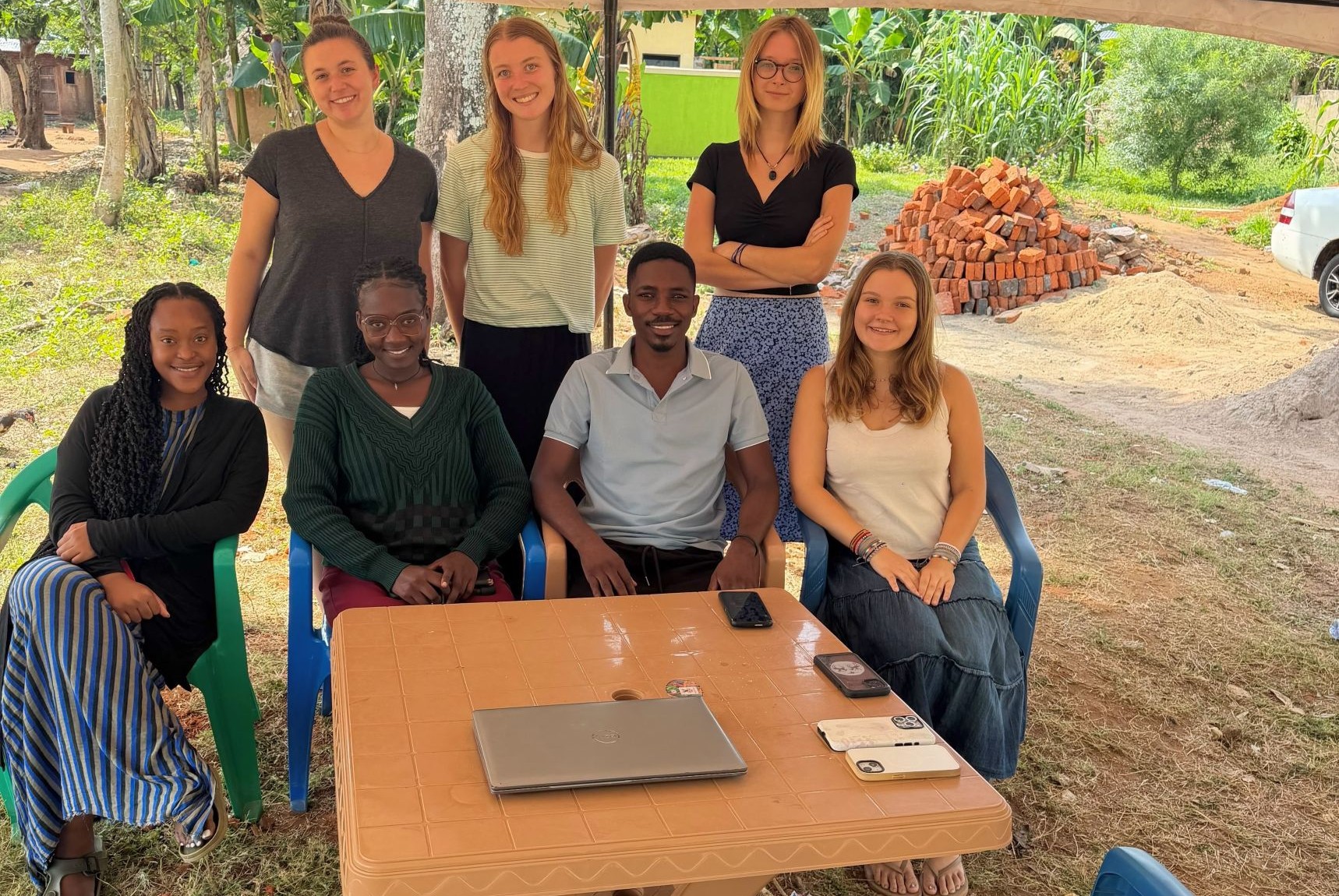
Naomi Herbst (front row, fourth from right) plans to continue her studies in public health at the University of South Florida through the new graduate school pathway program between Eckerd and USF. Photo courtesy of Naomi Herbst
“The liberal arts education is grounded in looking at the big problem from multiple perspectives with equity and curiosity at the center, and that provides such a great foundation for going into public health,” says Robinson.
The COVID-19 pandemic, Robinson adds, has added fuel to students’ interest in how health intersects with policy, culture and society.
Naomi Herbst, a senior from Chicago, Illinois, is studying psychology and minoring in public health and human development. When she took an introductory public health course at Eckerd, her career goals changed trajectory. She gained hands-on experience during a Winter Term trip to Puerto Rico and a nonprofit fellowship in Uganda.
Now, Naomi is interested in being a social worker in a hospital. The automatic admission into the USF master’s program is relieving, she says, because she has a guaranteed place to continue her studies.
Bella Cotter, a senior from Clinton, Massachusetts, studying international and global affairs and Spanish in addition to public health and economic minors, is interested in the pathway to USF. Bella is interested in international human rights, access to food, housing and resources, and human health. Public health was the missing piece in what she wants to do, Bella says.
“Public health has always been woven through the Eckerd mission in its commitment to service, social responsibility, sustainability, global learning, and improving the human condition,” Corvin says. “Now students have a formal way to name that commitment, study it, and carry it forward.”